
WORKS
HAKODATE ART EXHIBITION2026 “旧市街”Vol.03
-
installation art
-
Venice works
-
HAKODATE ART EXHIBITION 2025 ~ DREAMY Vol.2
-
HAKODATE ARTFESTIVAL 2025
-
OUT OF THE BOX Vol.2
-
HAKODATE ART EXHIBITION 2025 DREAMY
-
SHIBUYA TSUTAYA特別展示 コラボレーションカフェ「GLAY DRIVE CAFE」
-
THREE COLORS EXHIBITION
-
万里一空
-
音の可視化
-
TERU works
-
GLAY works
-
Taiwan works 2025
-
Offer works
-








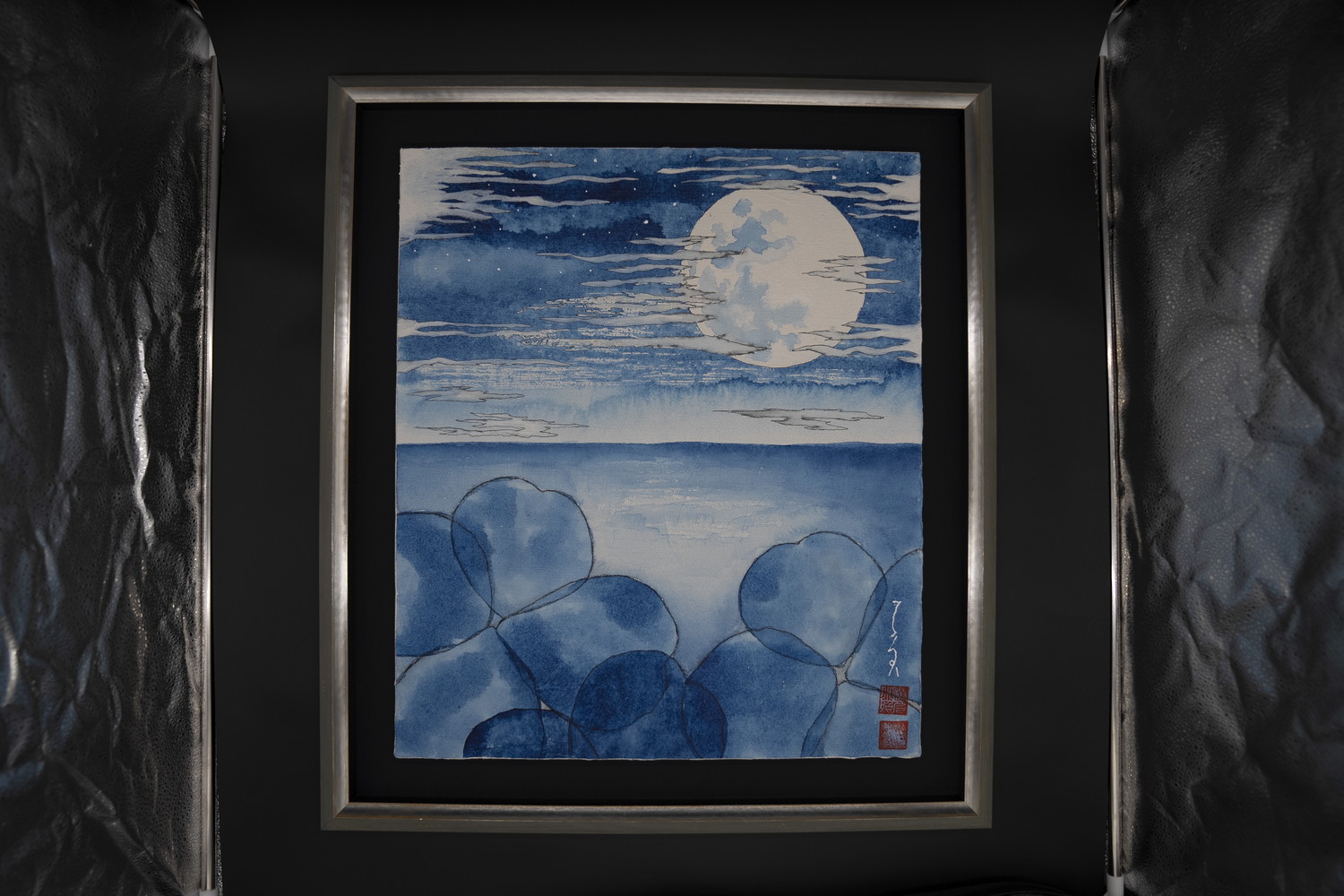
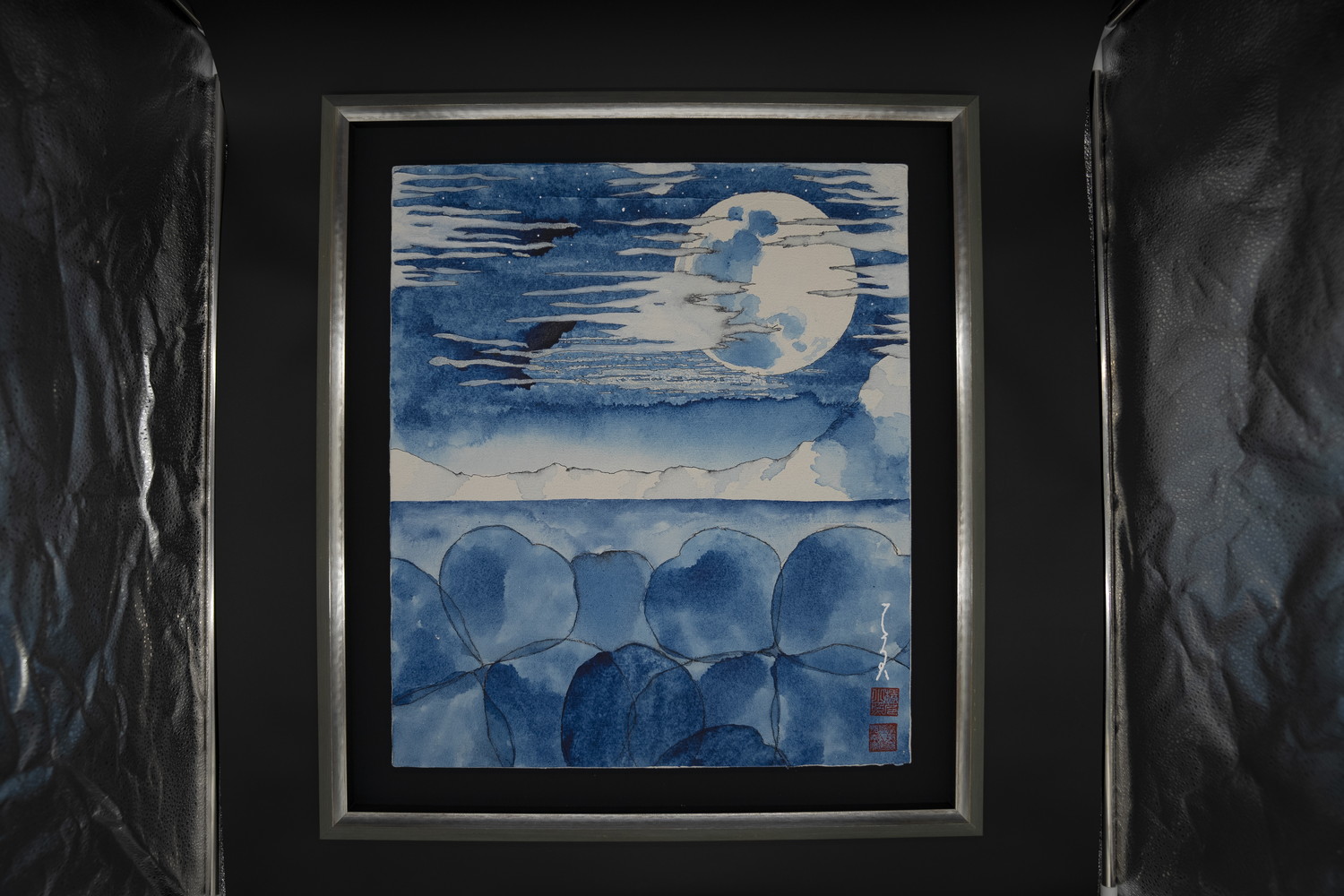
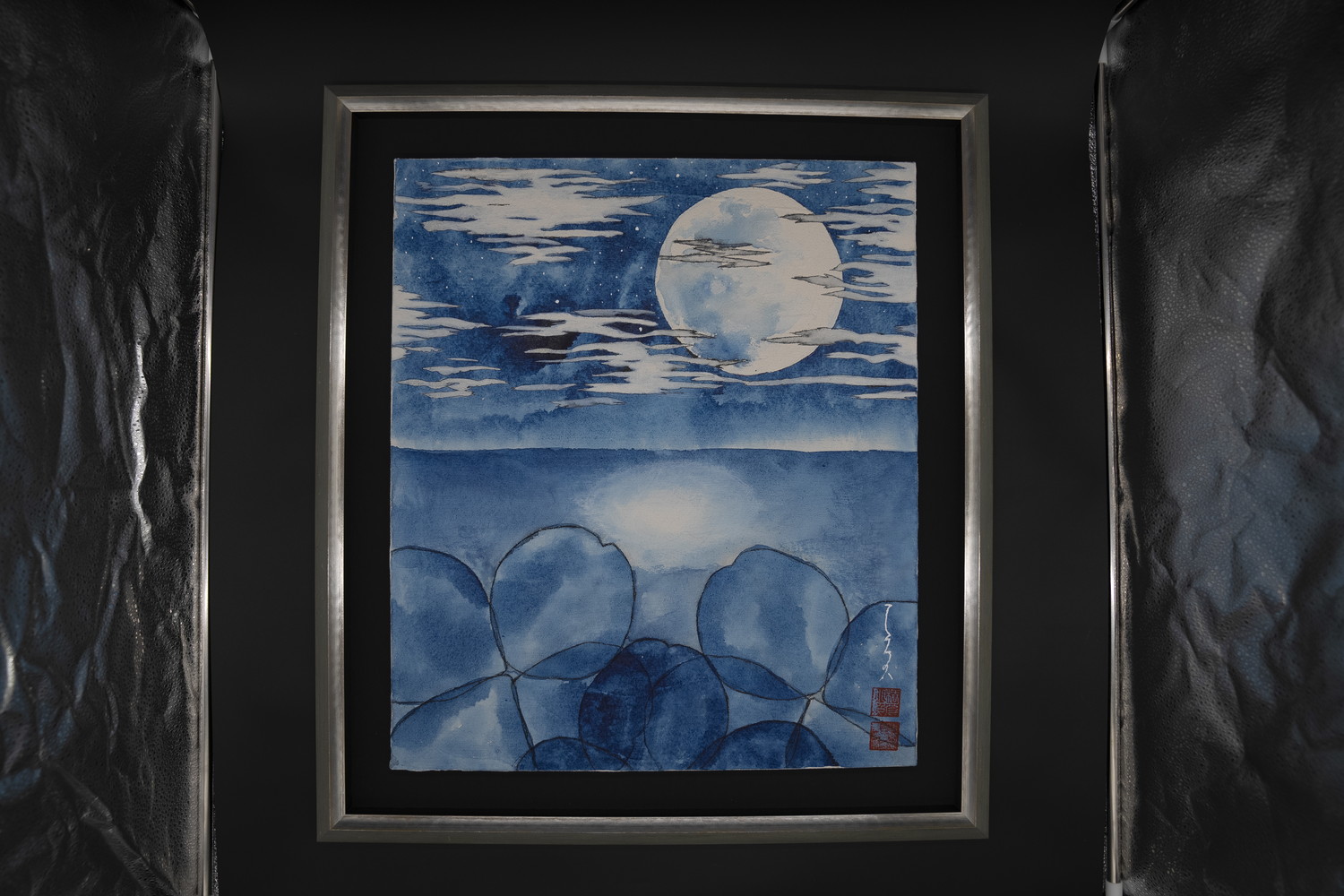
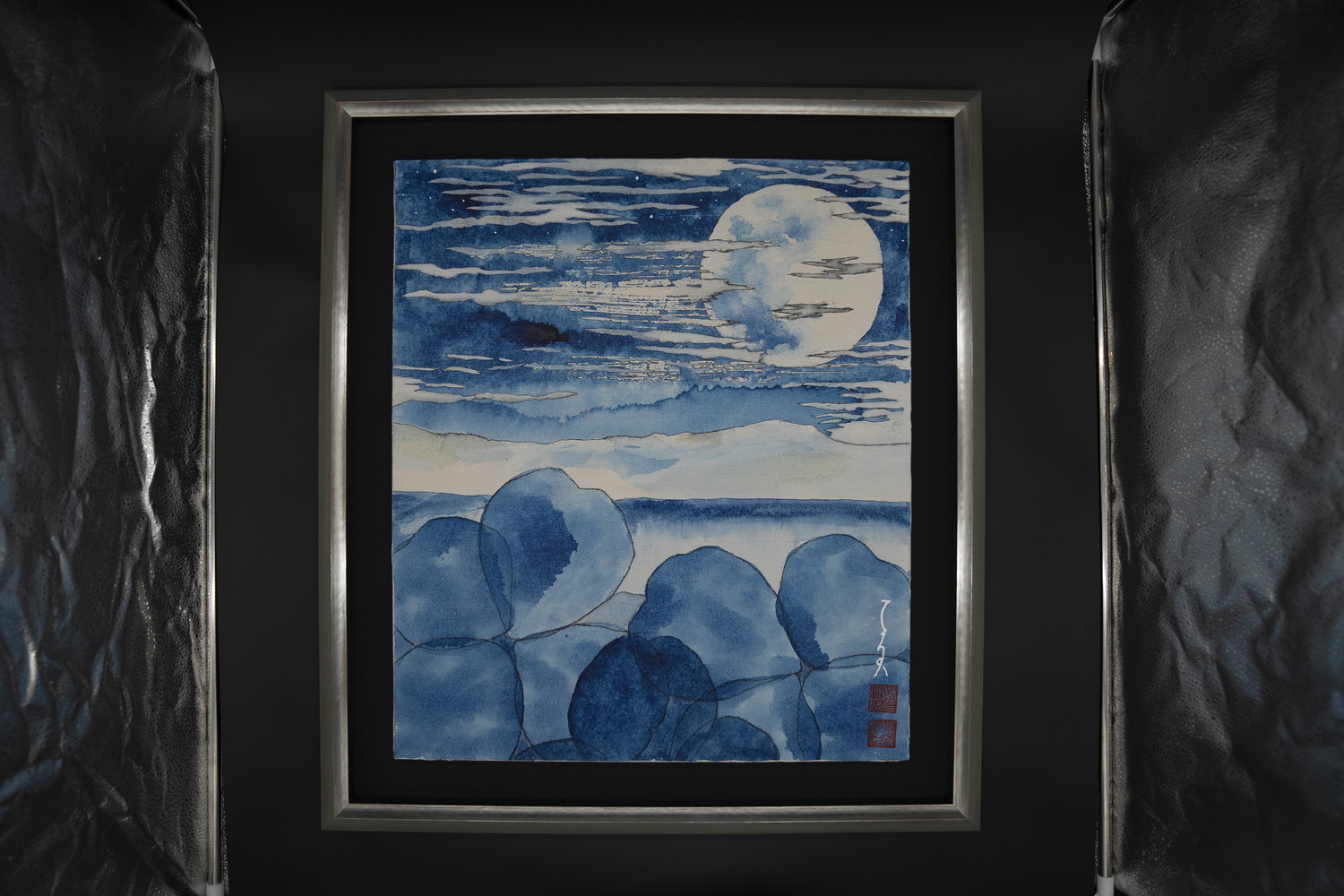


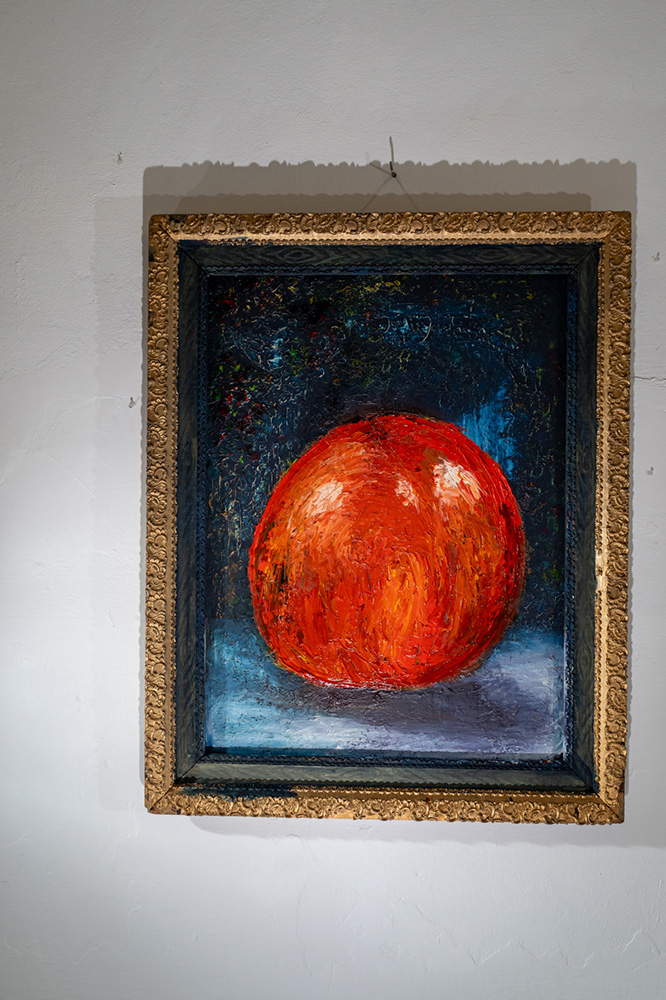
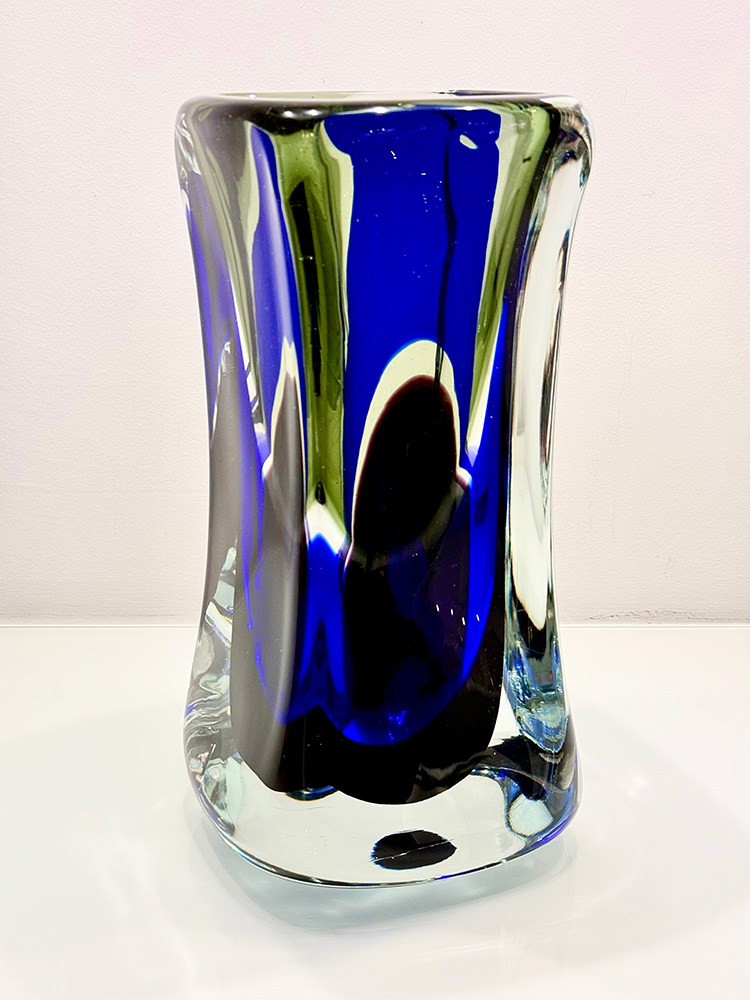
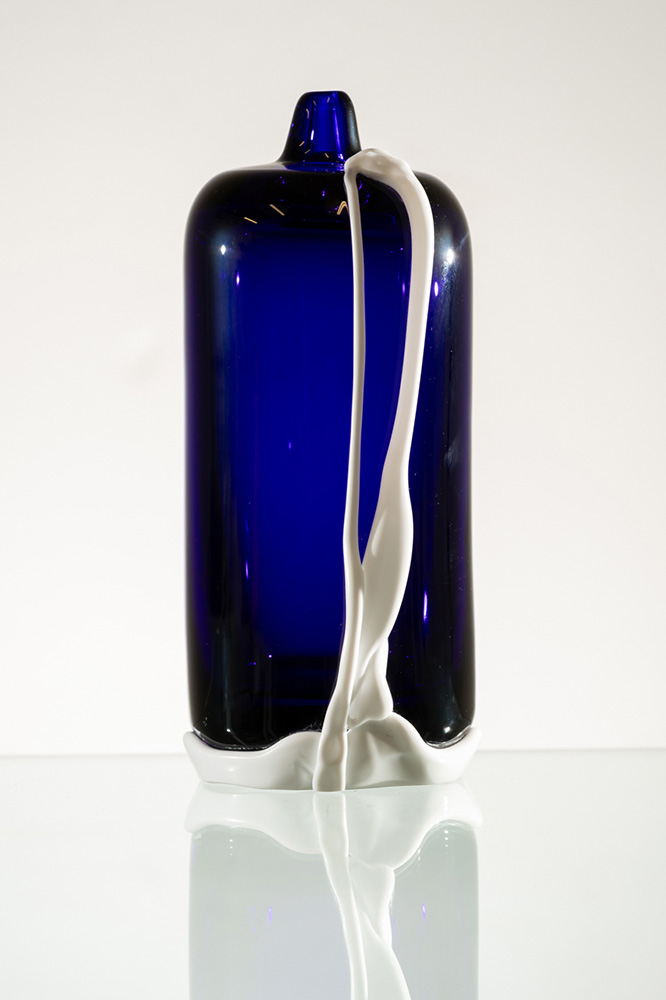
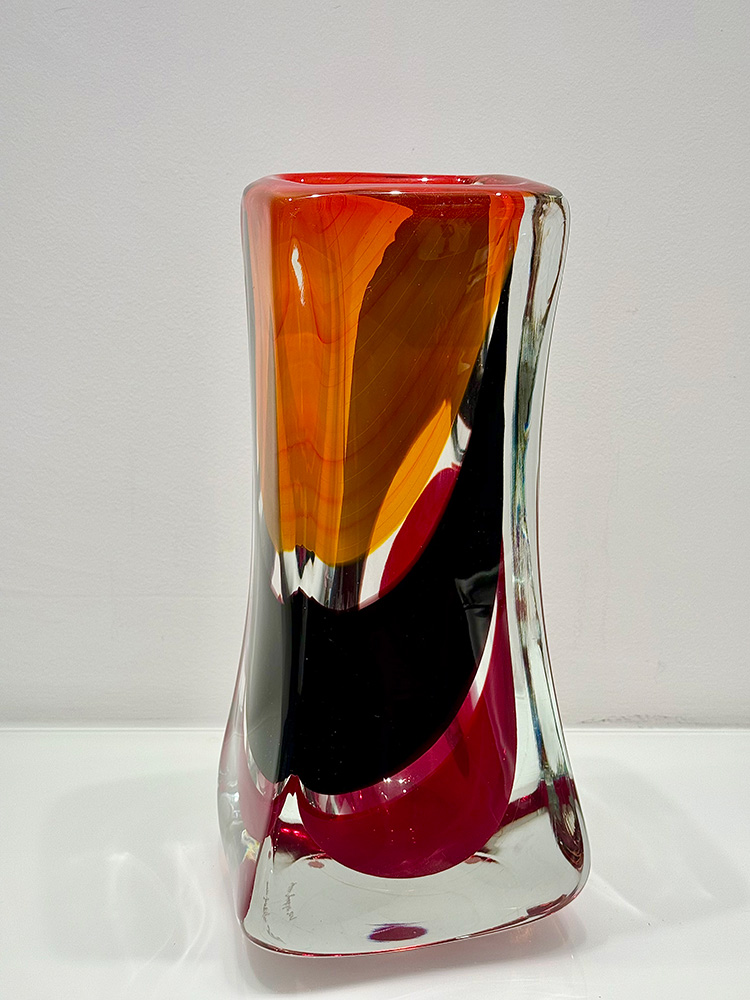

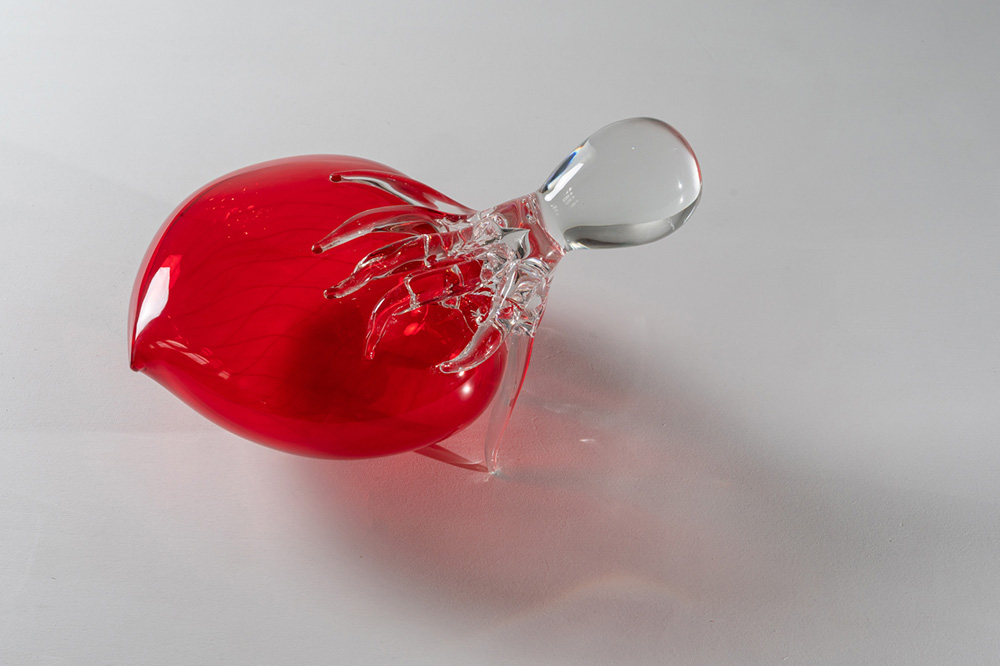
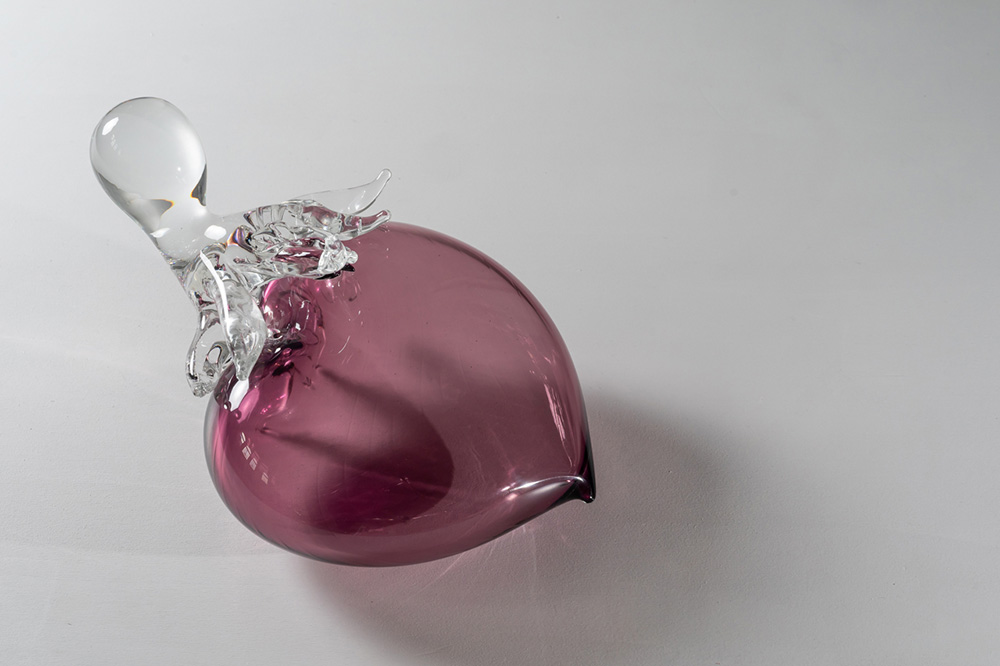
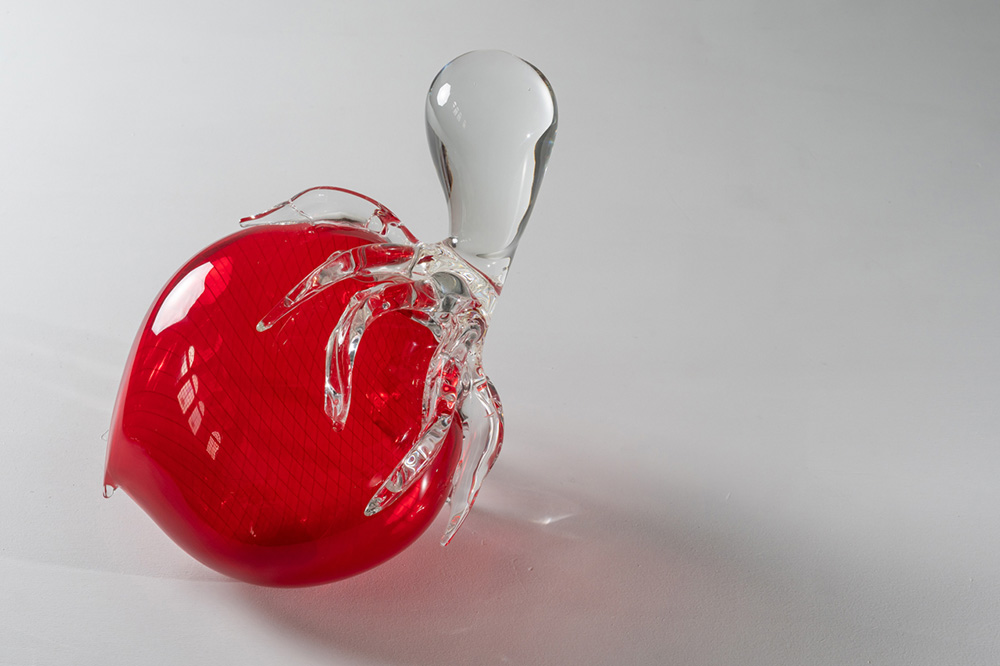
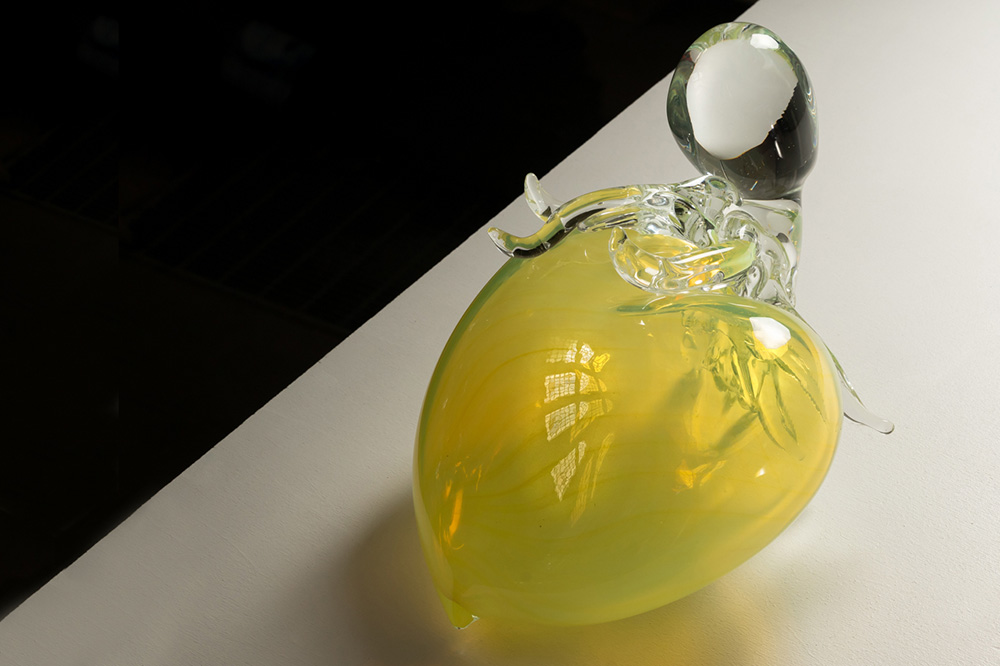




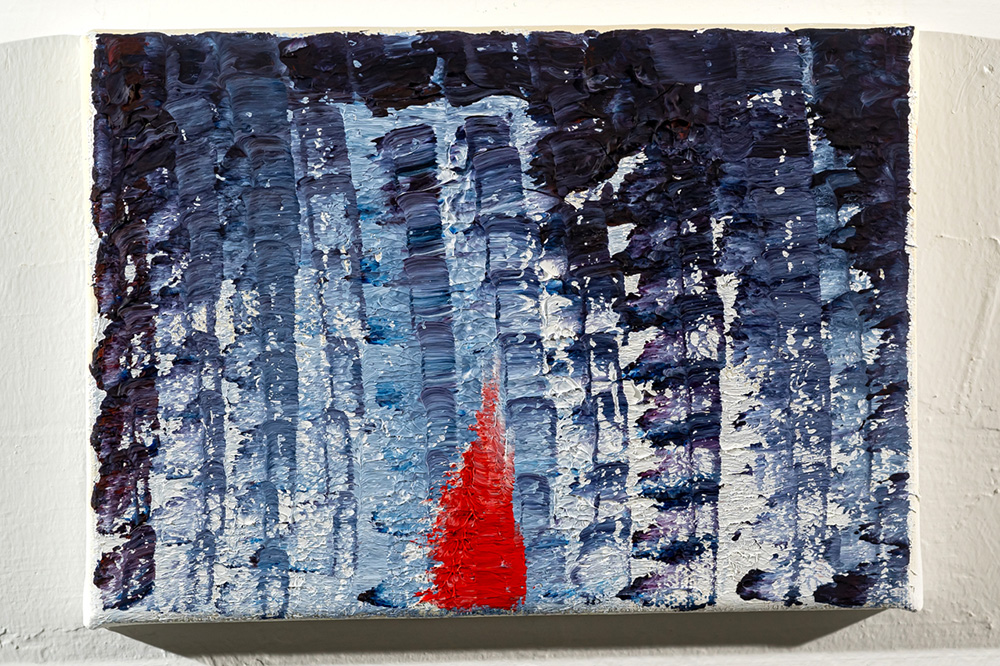
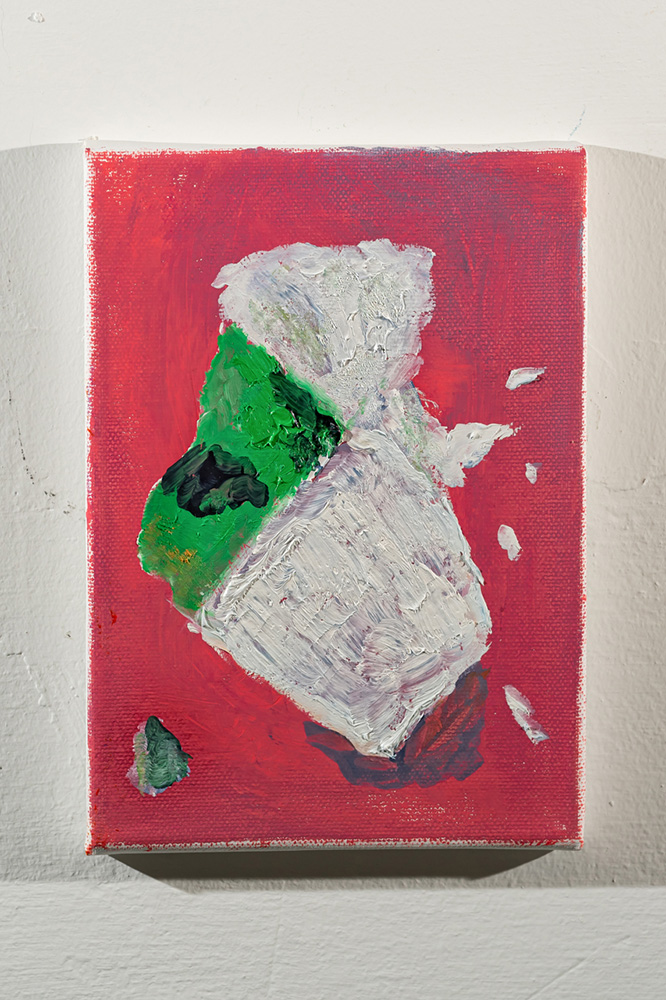
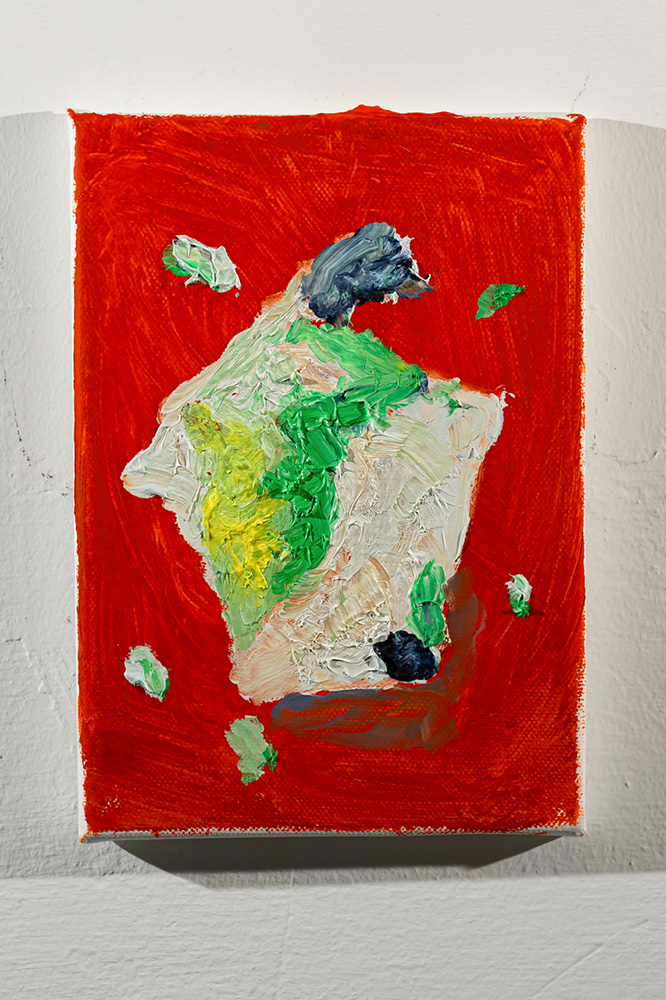
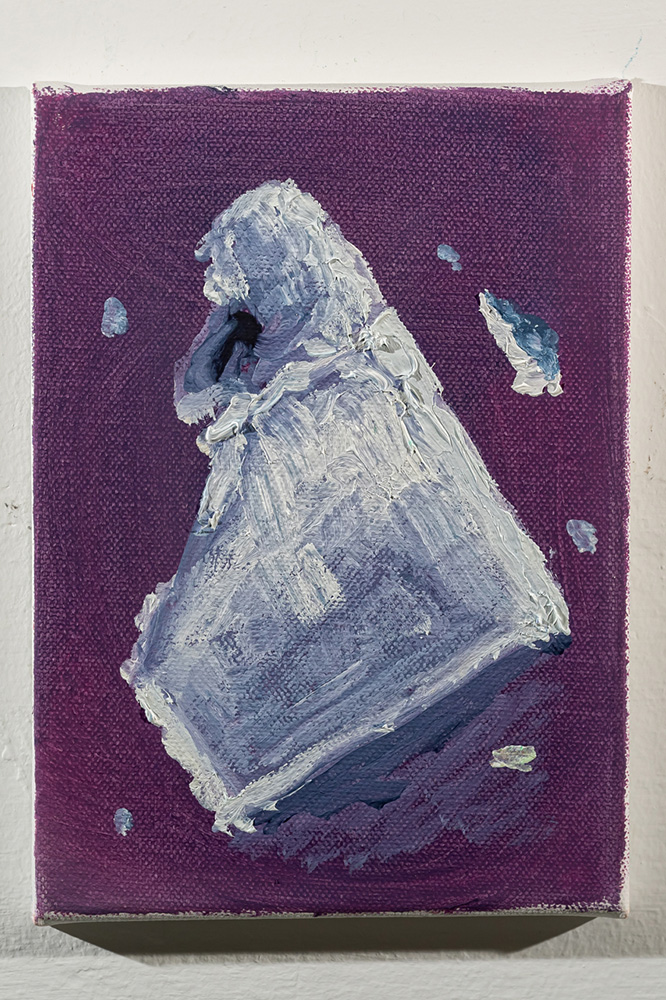

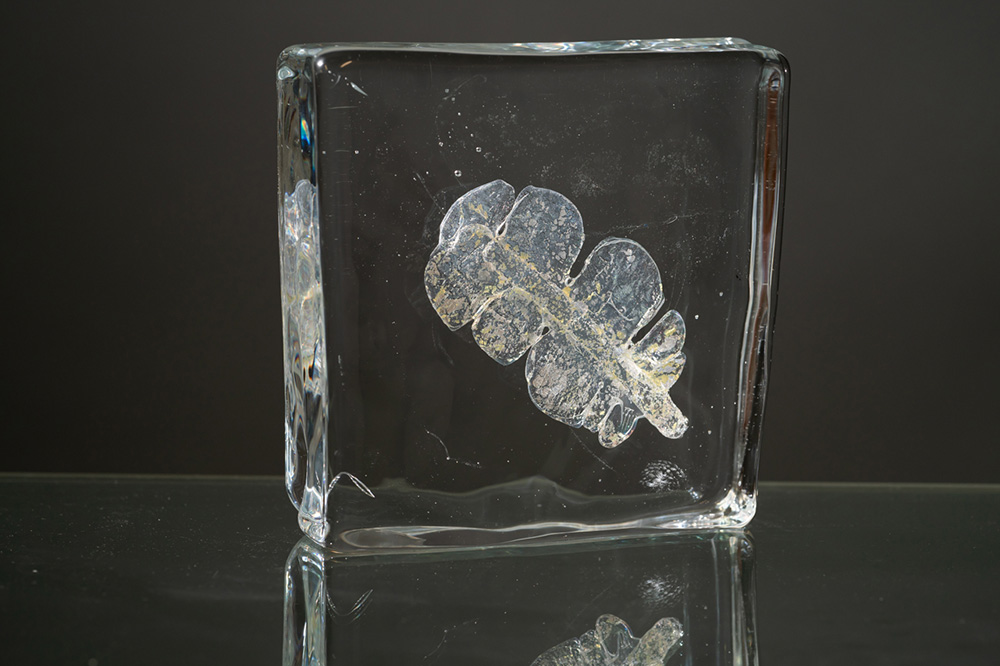
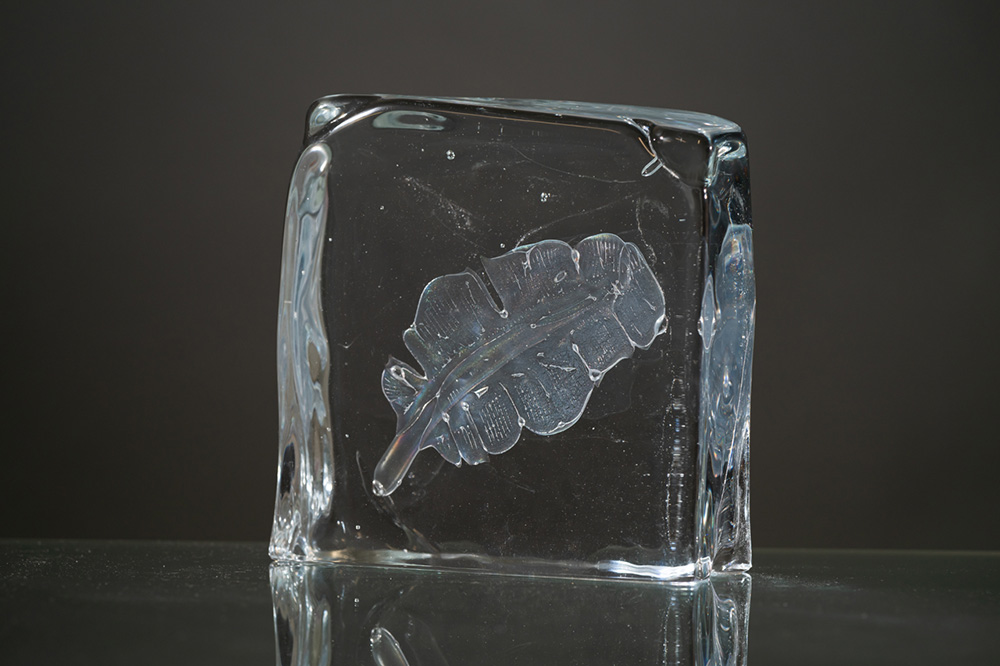









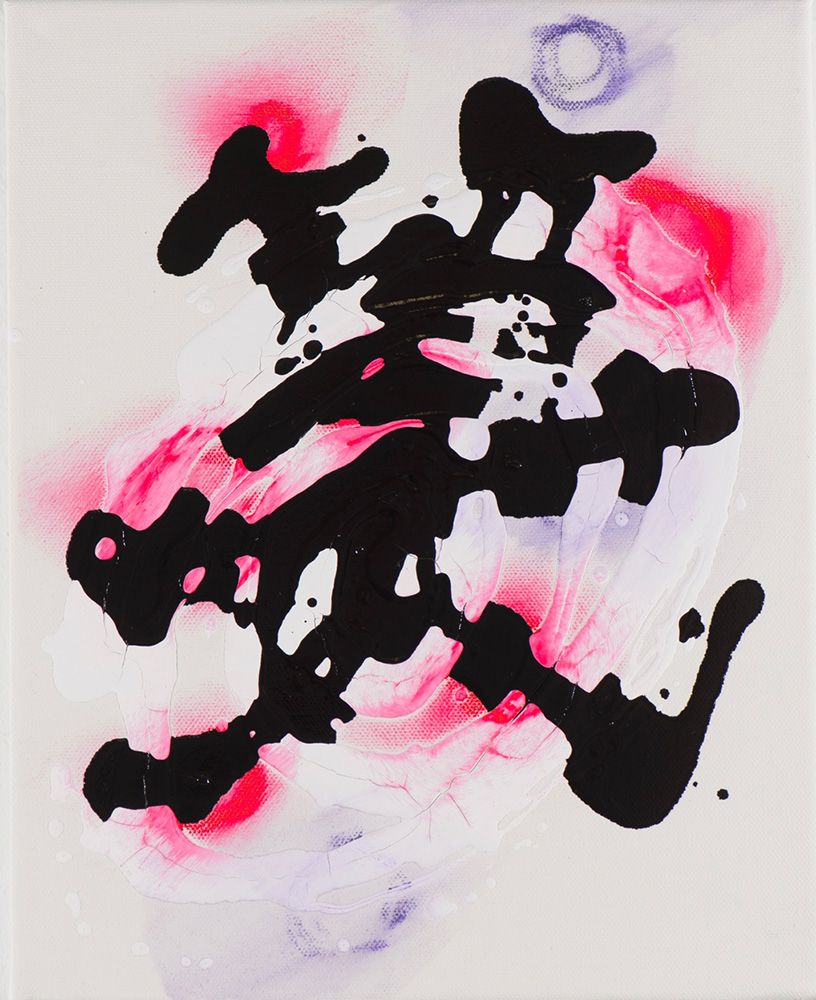
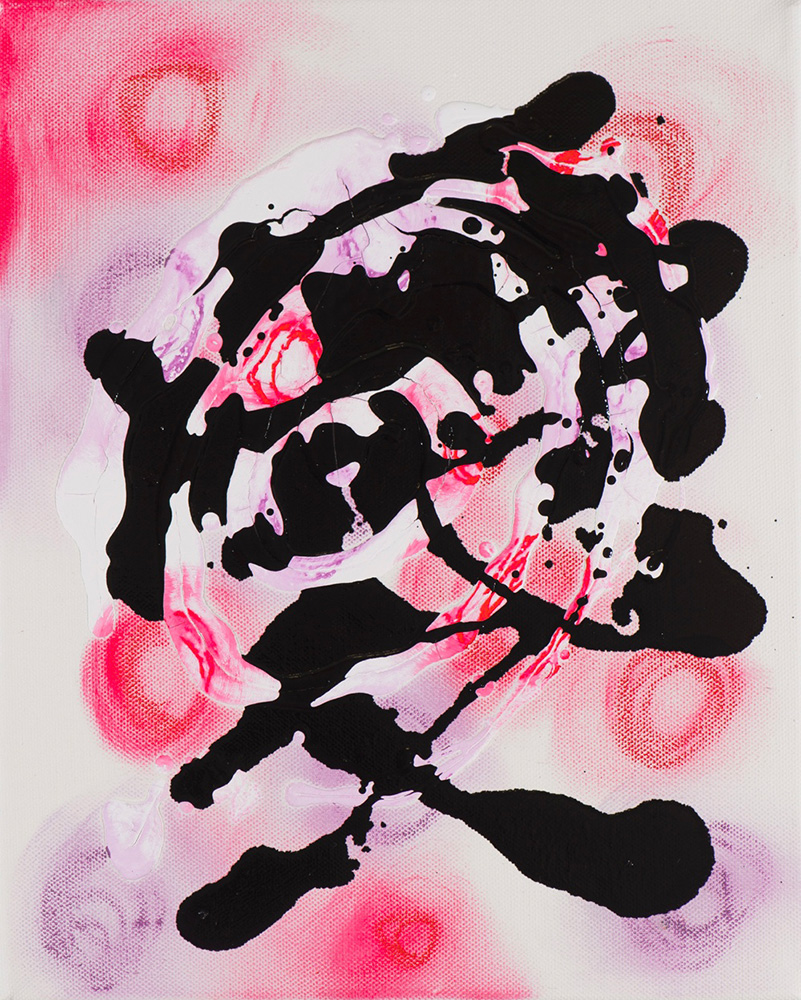







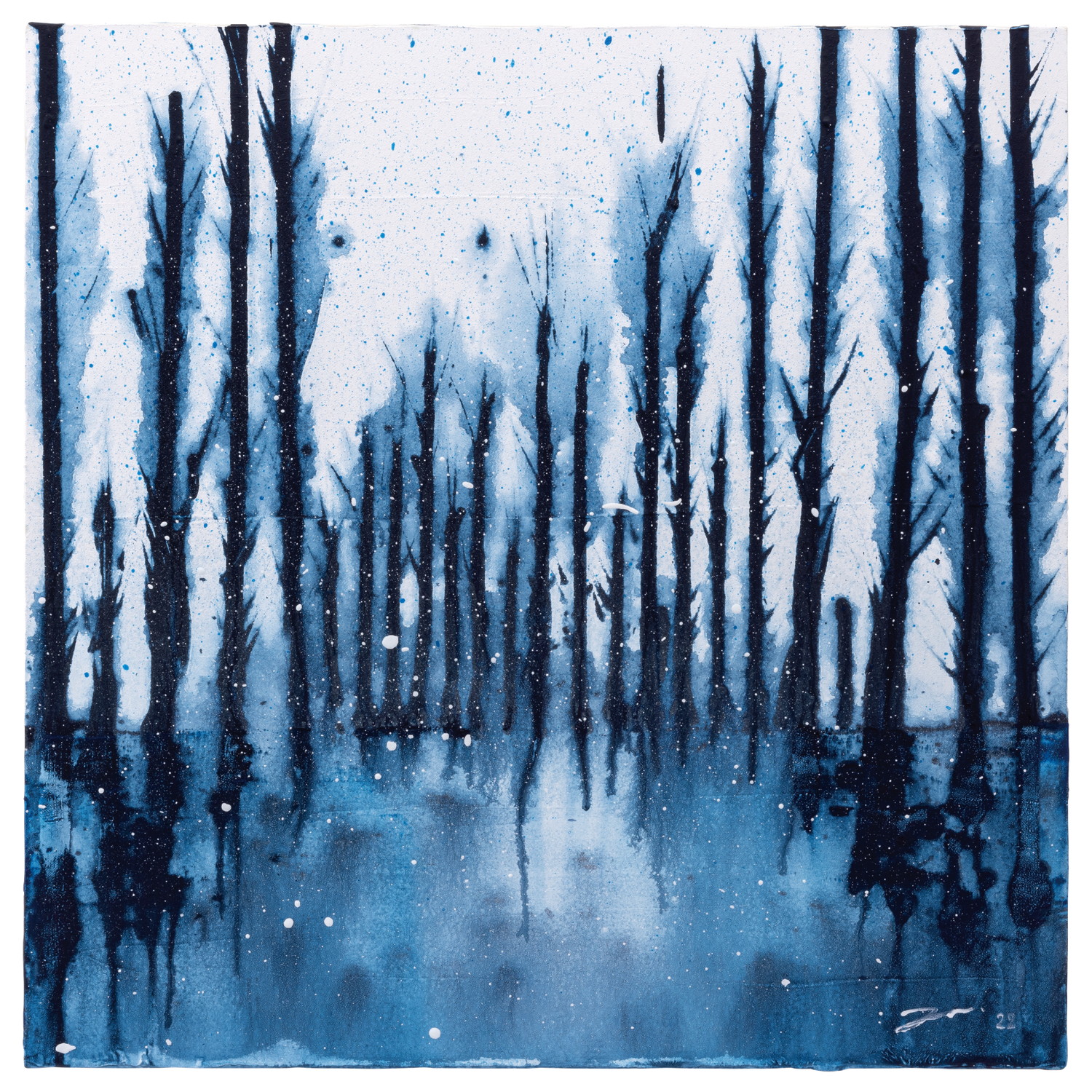


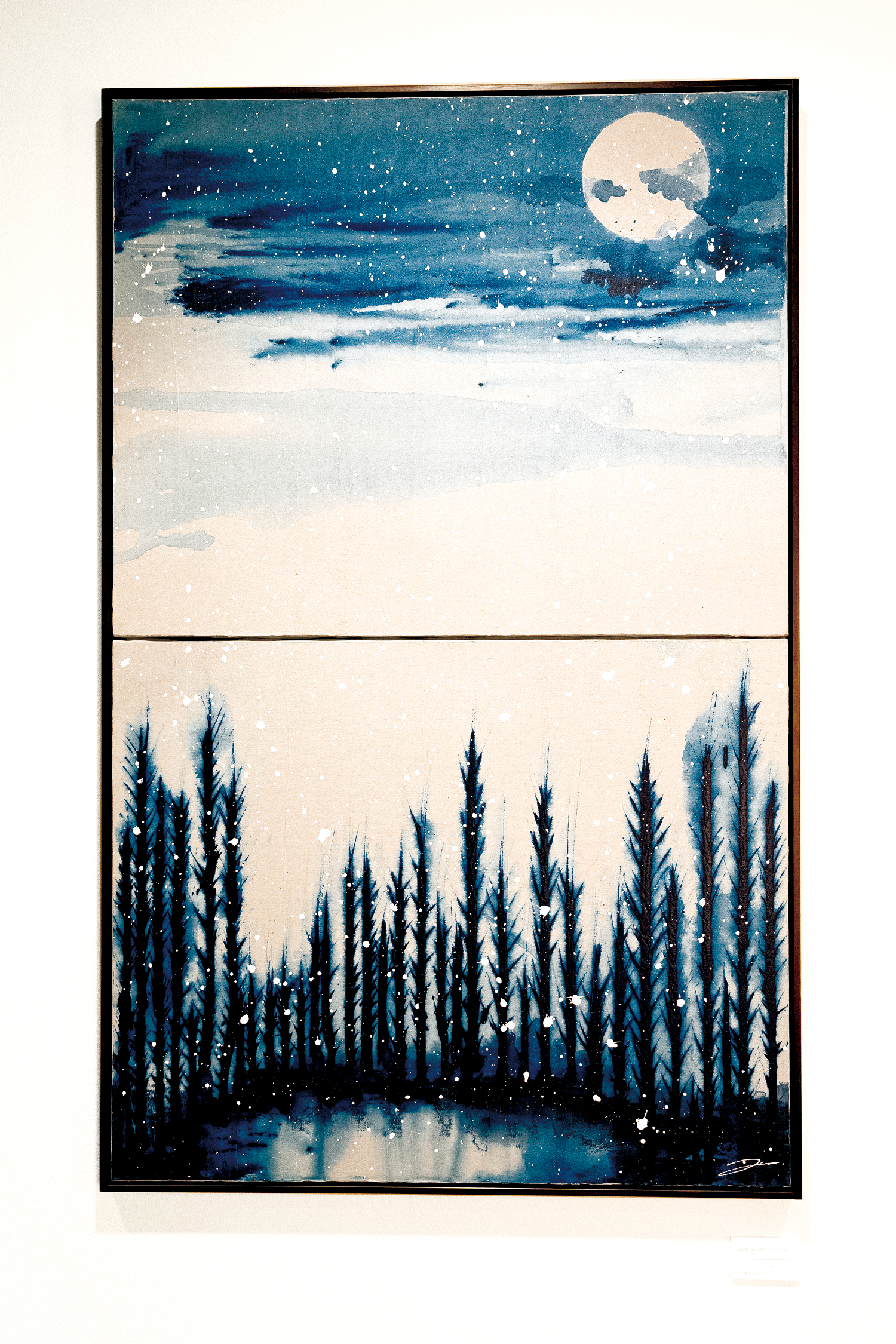
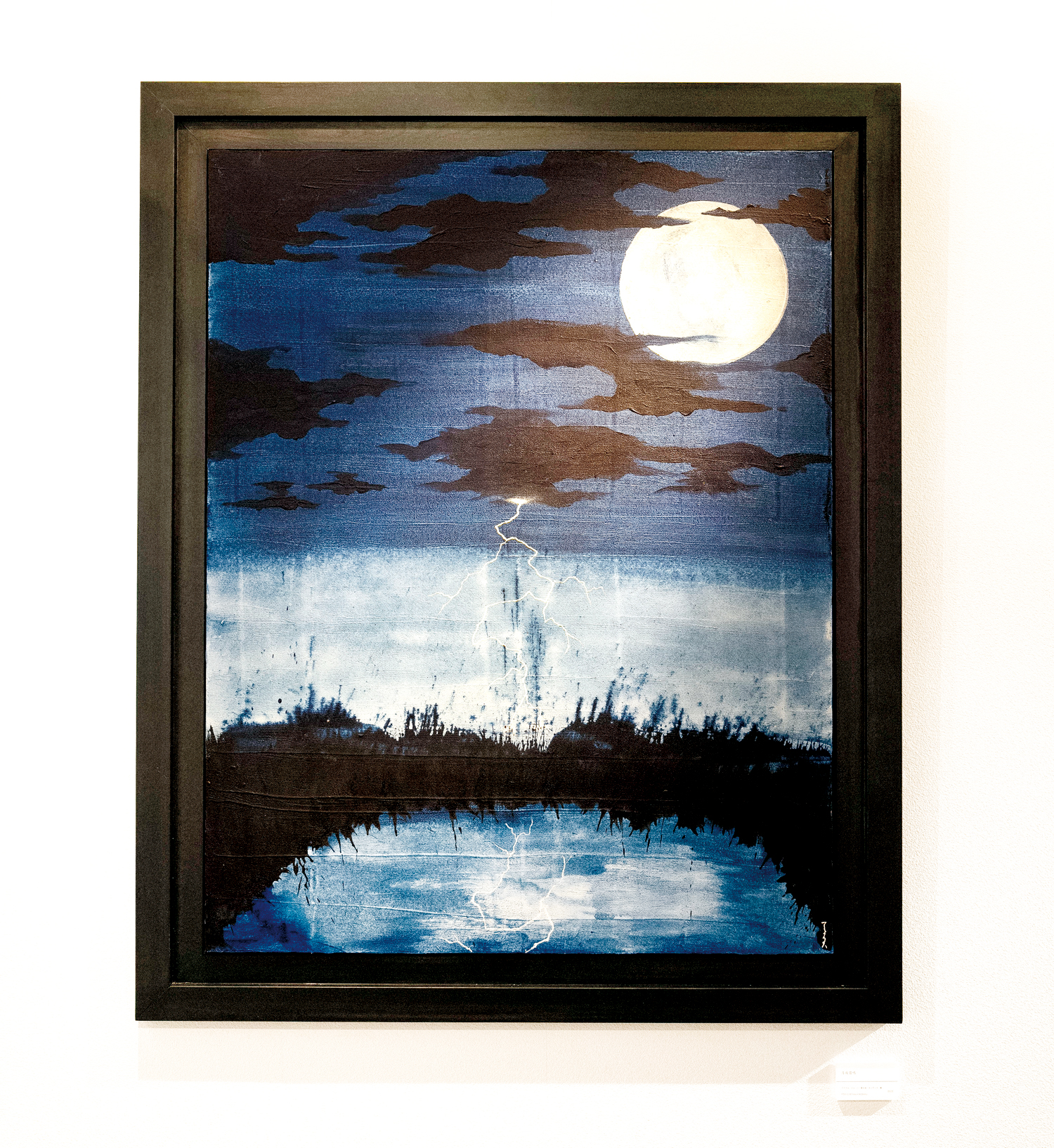
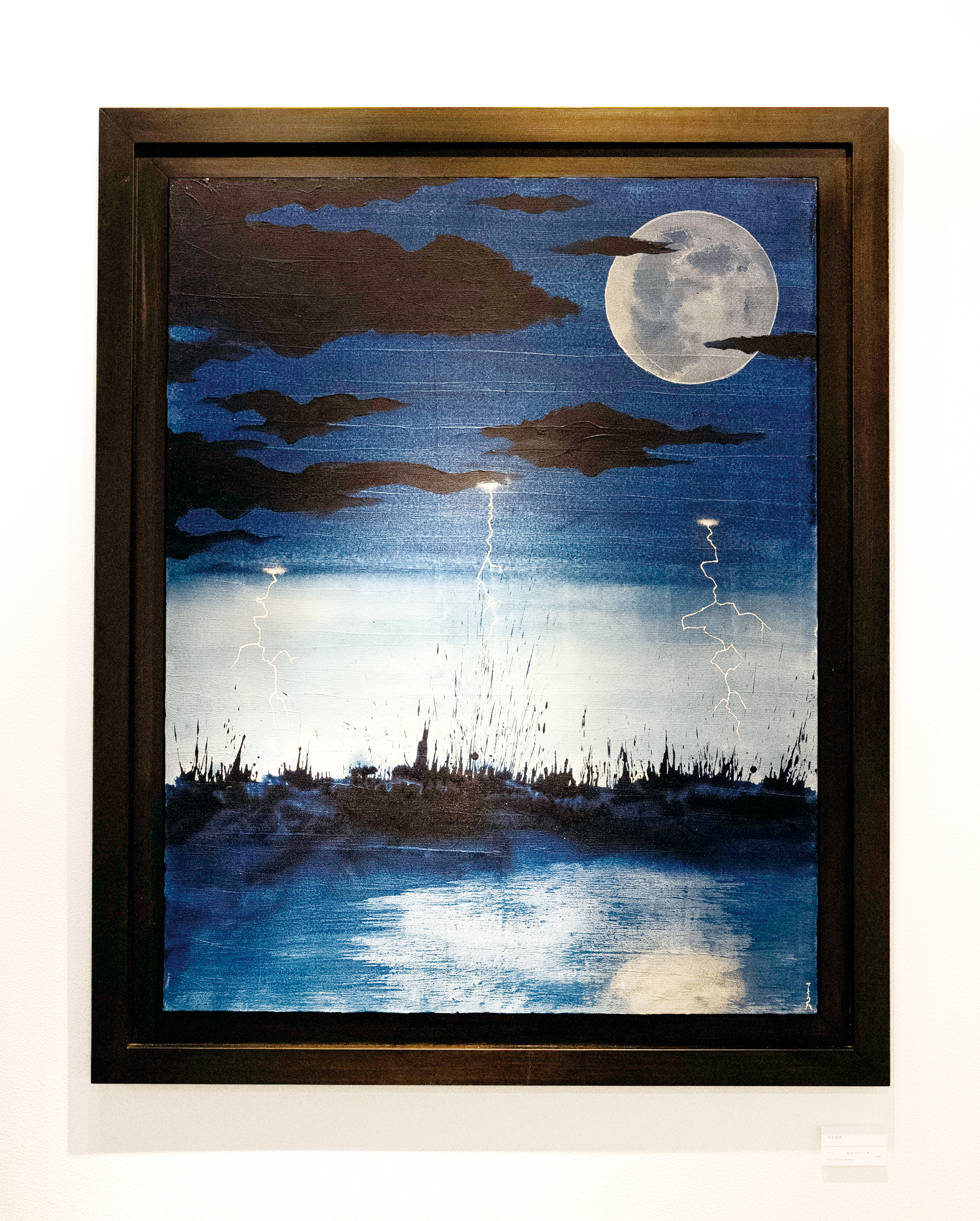
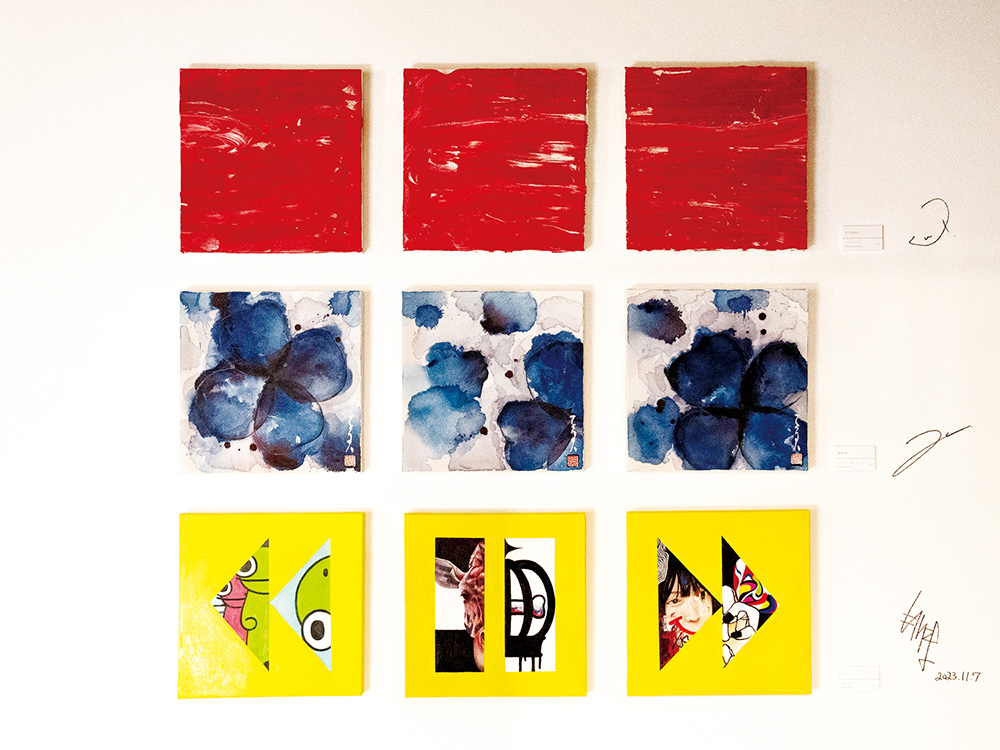
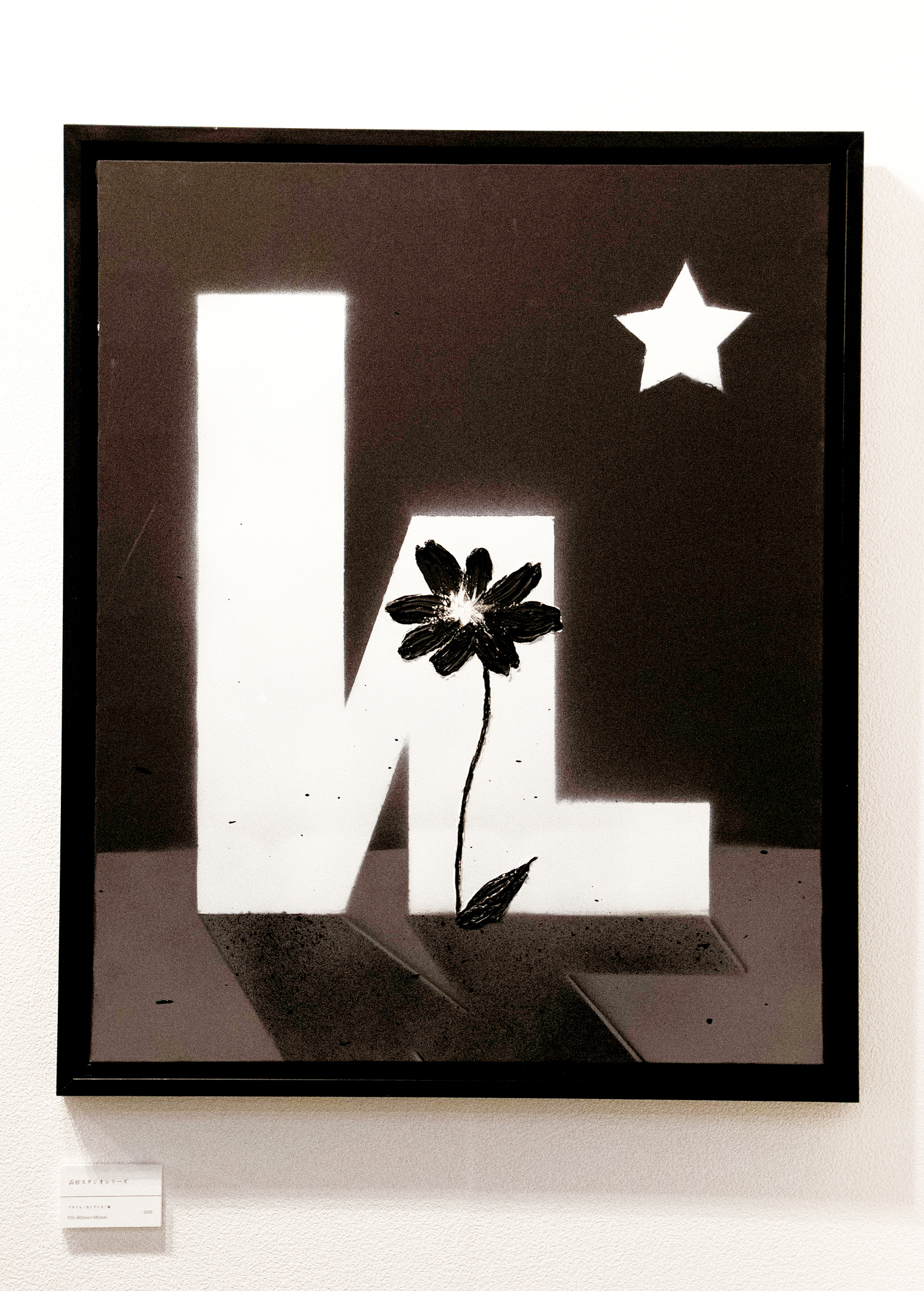
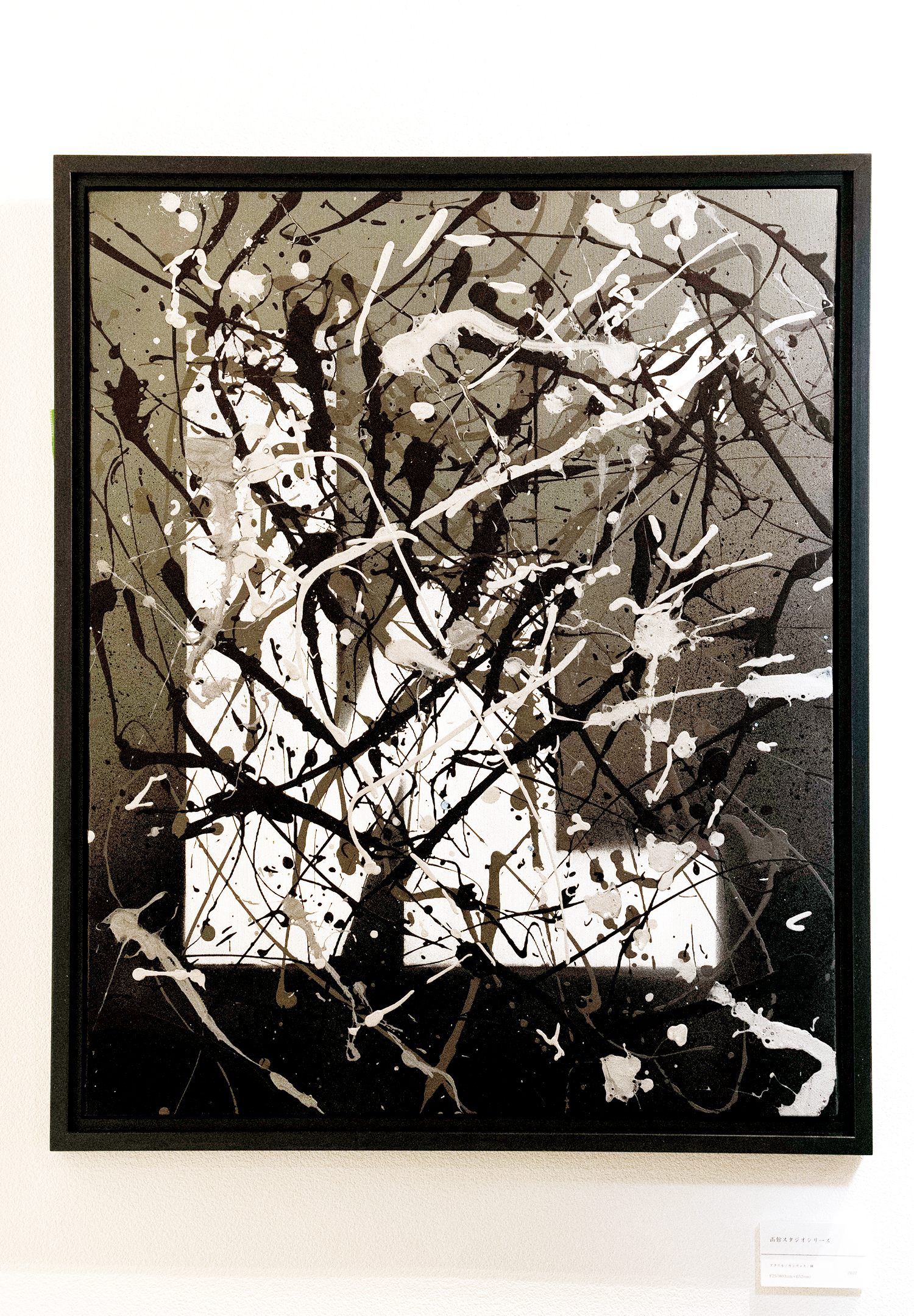
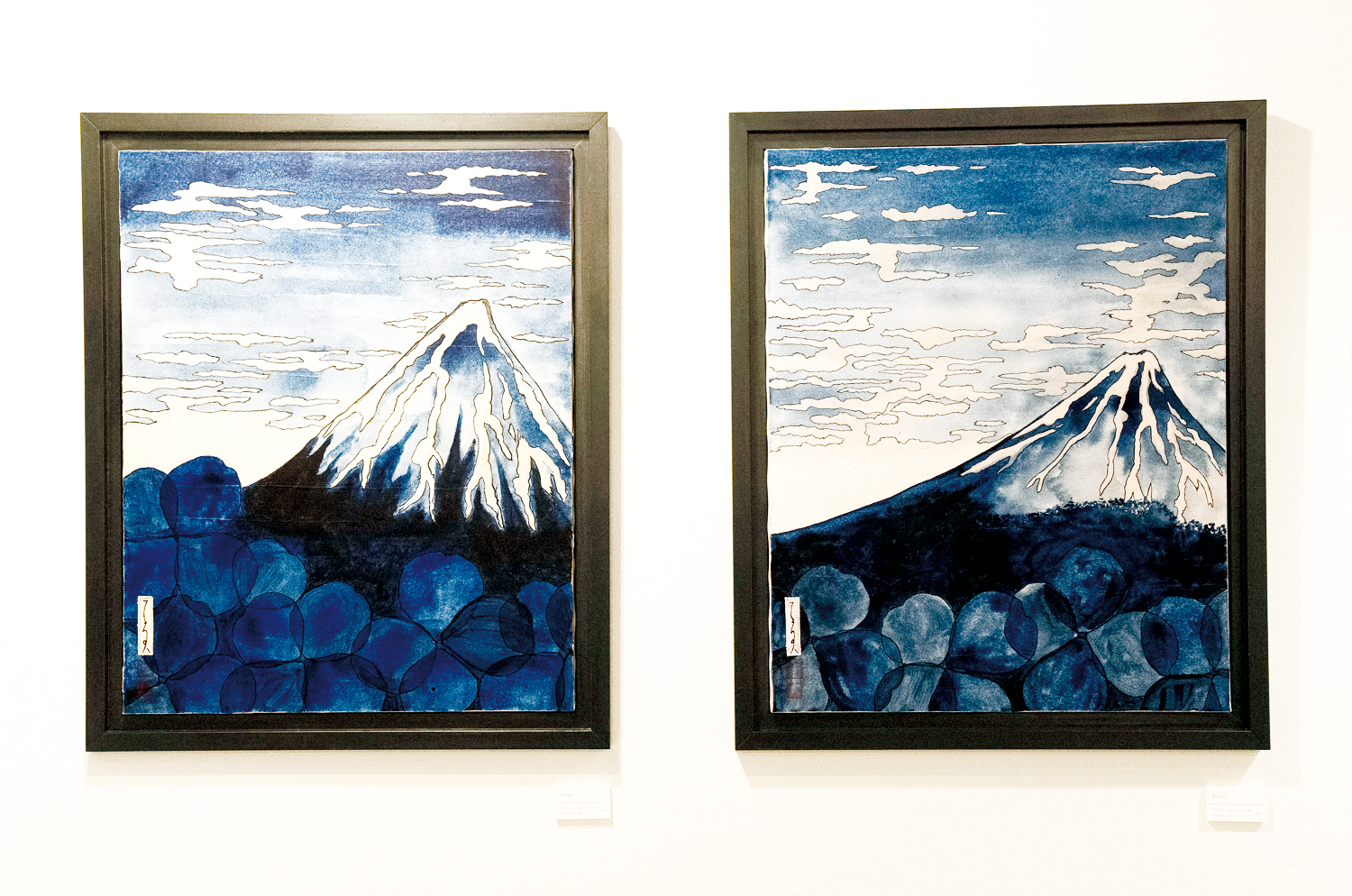
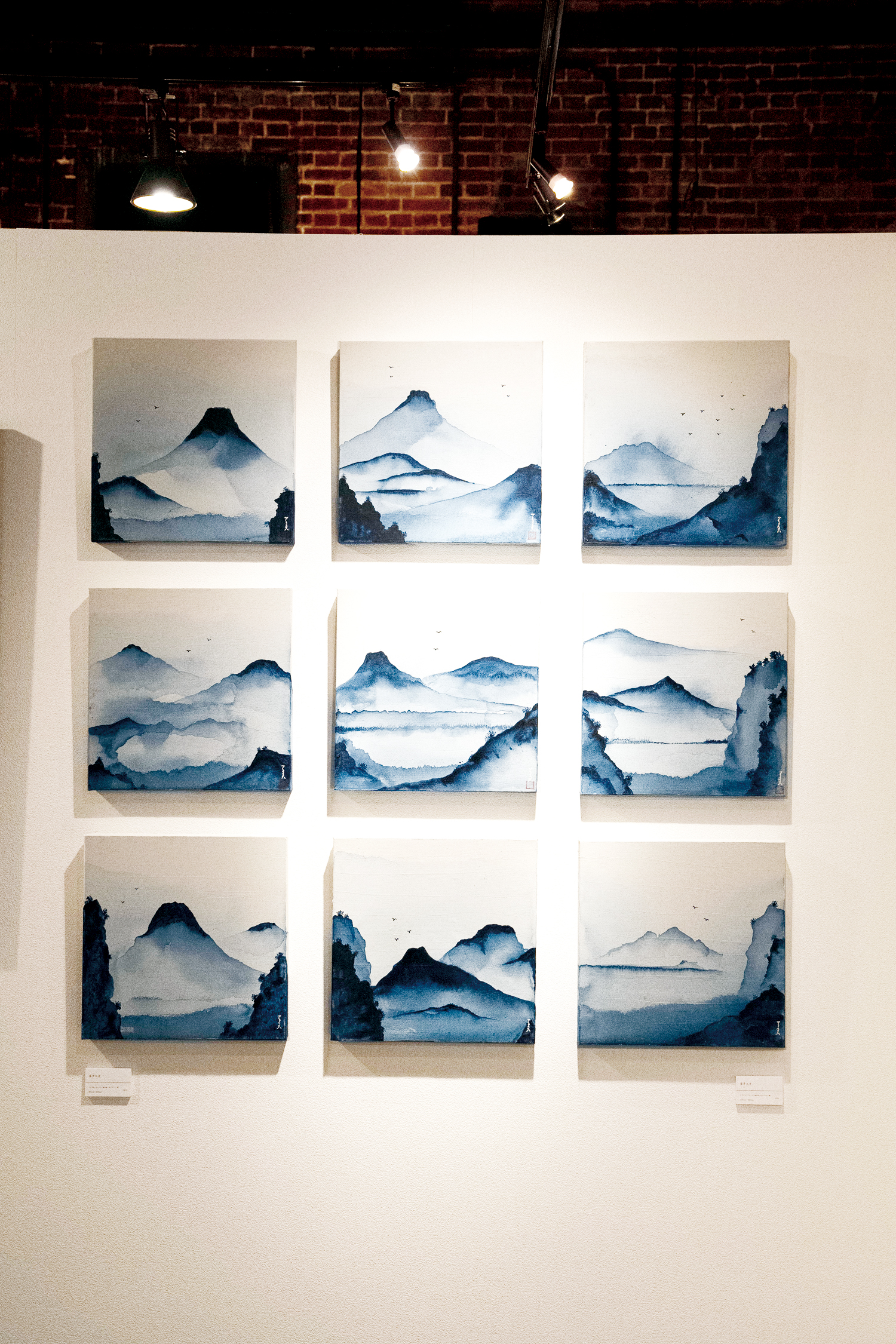
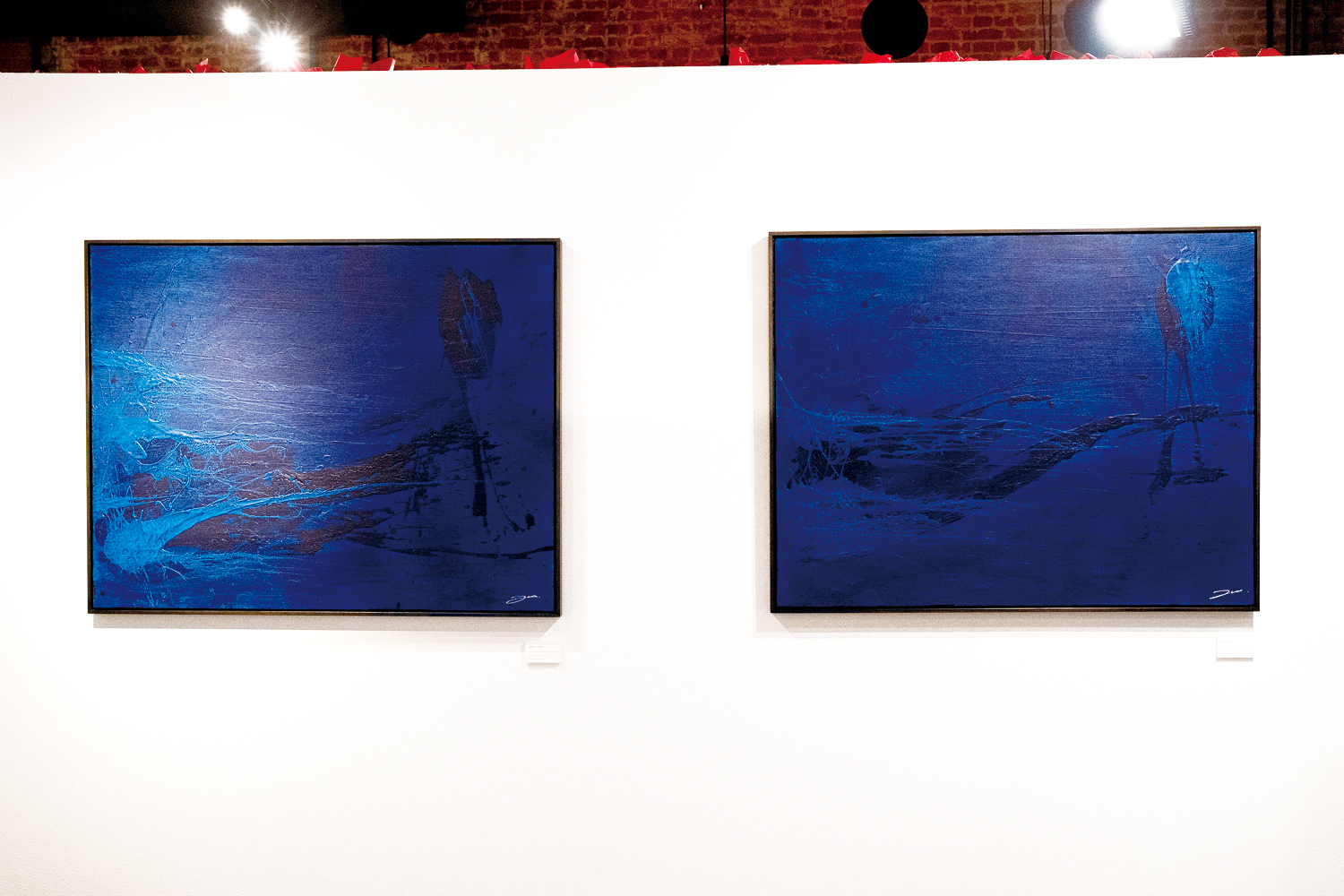
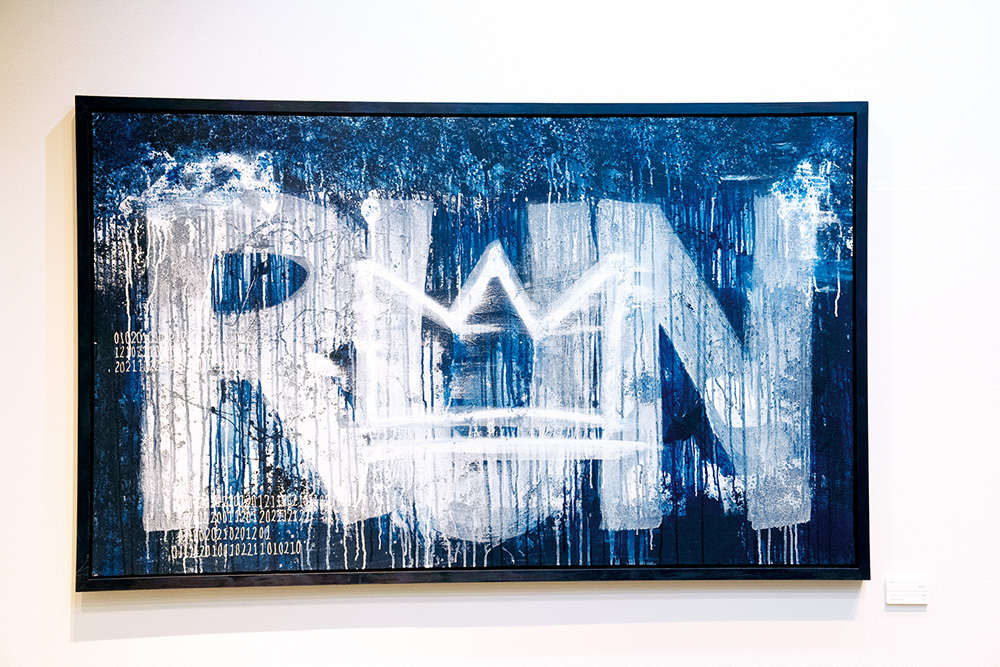
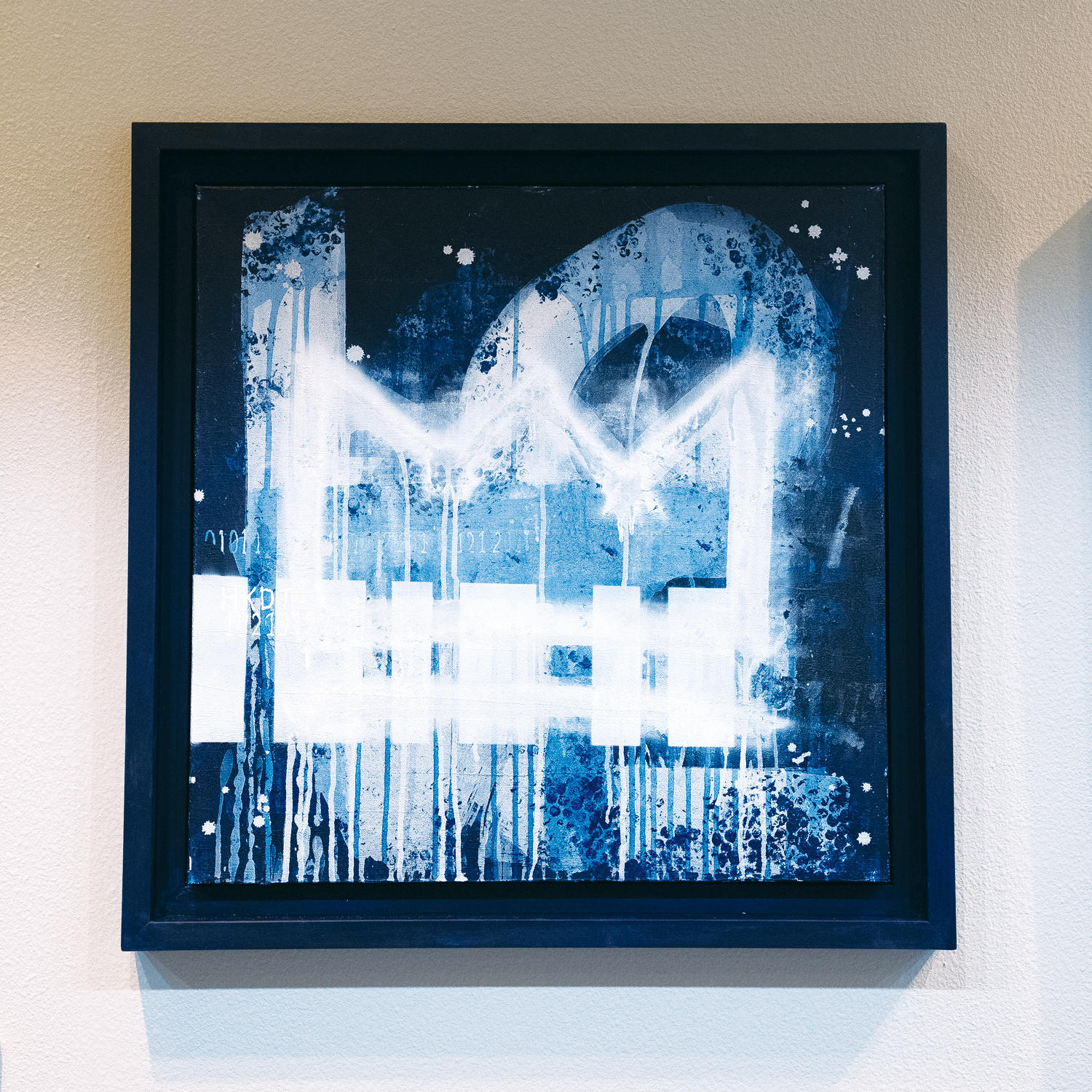
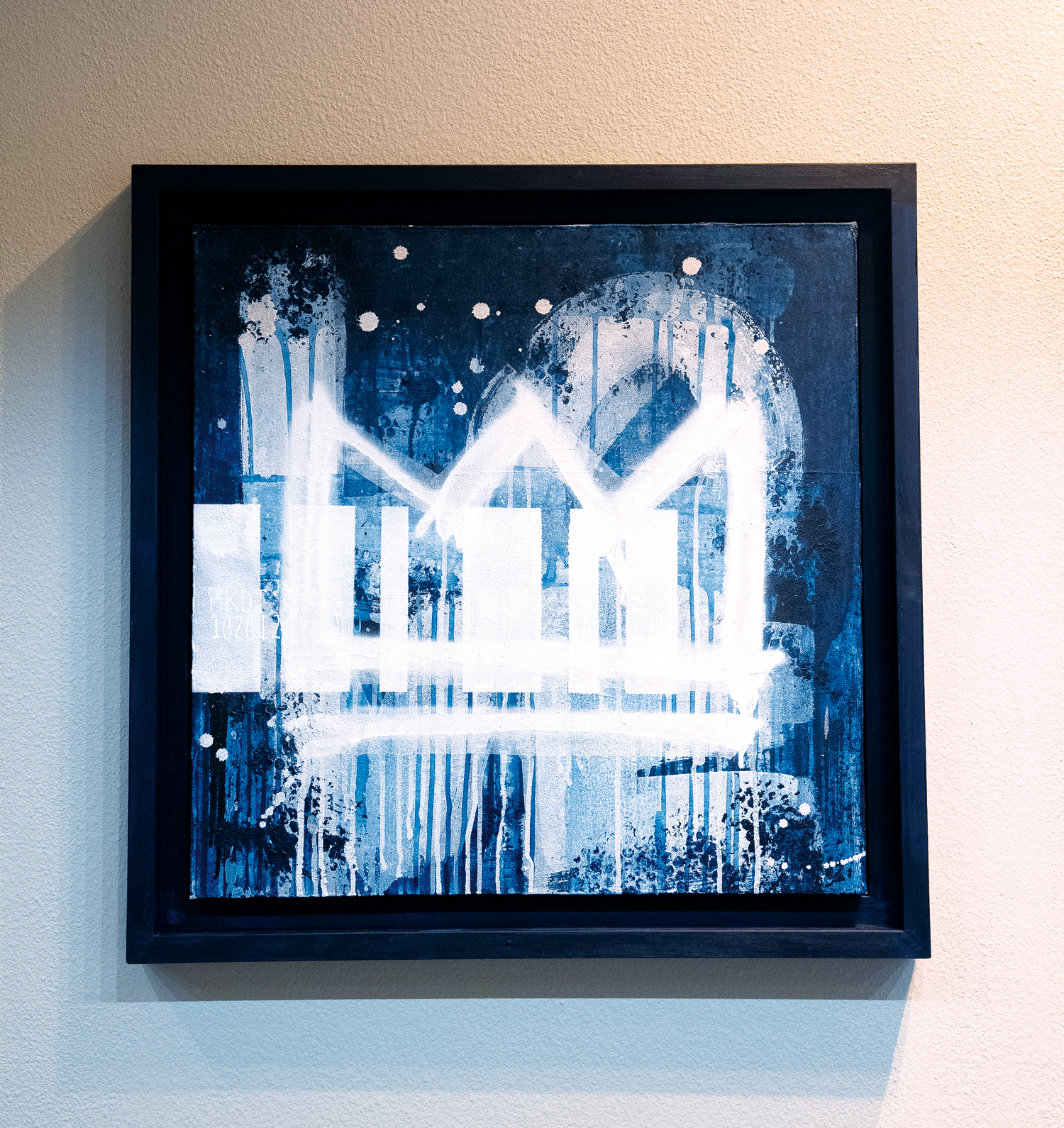
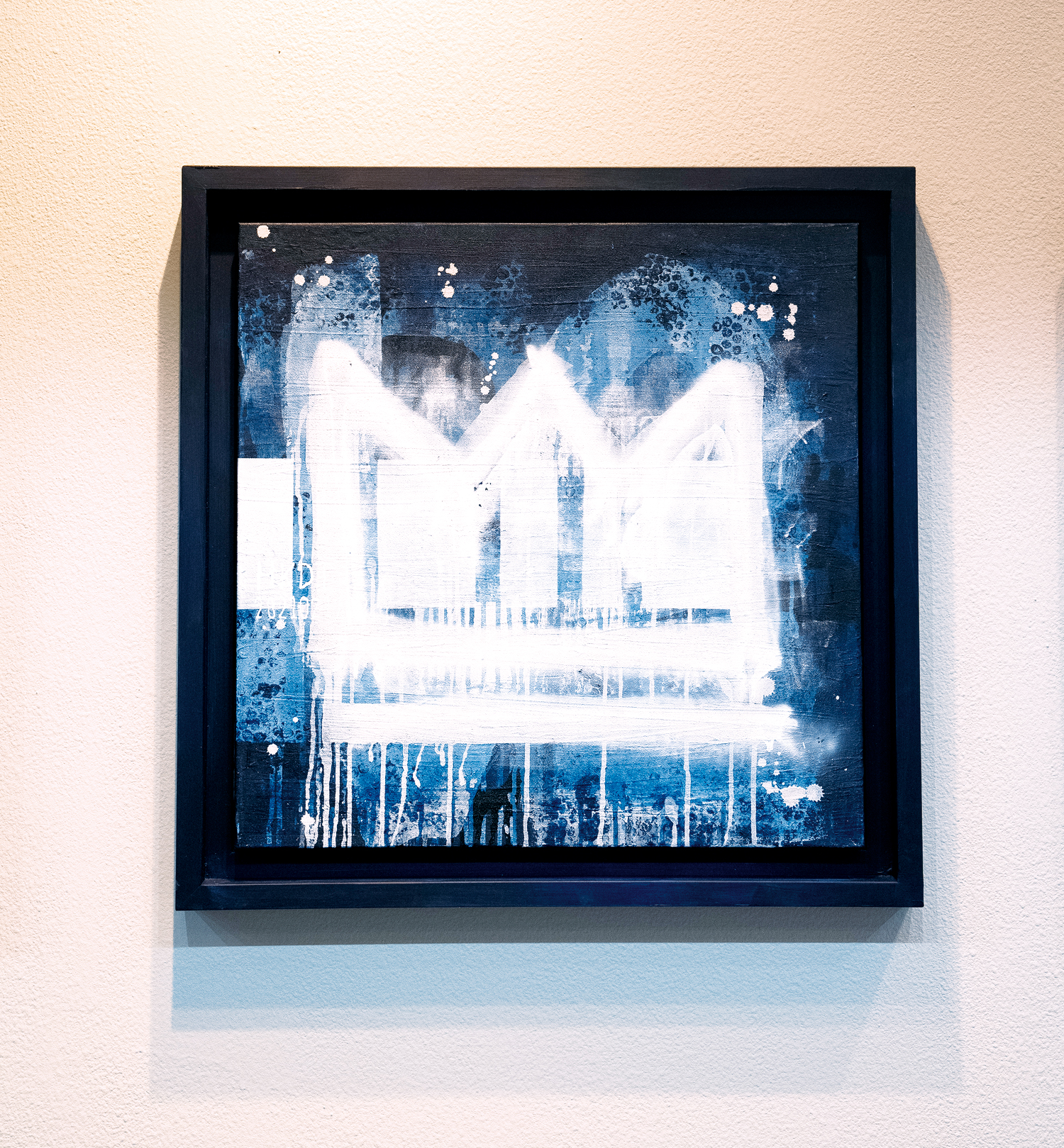


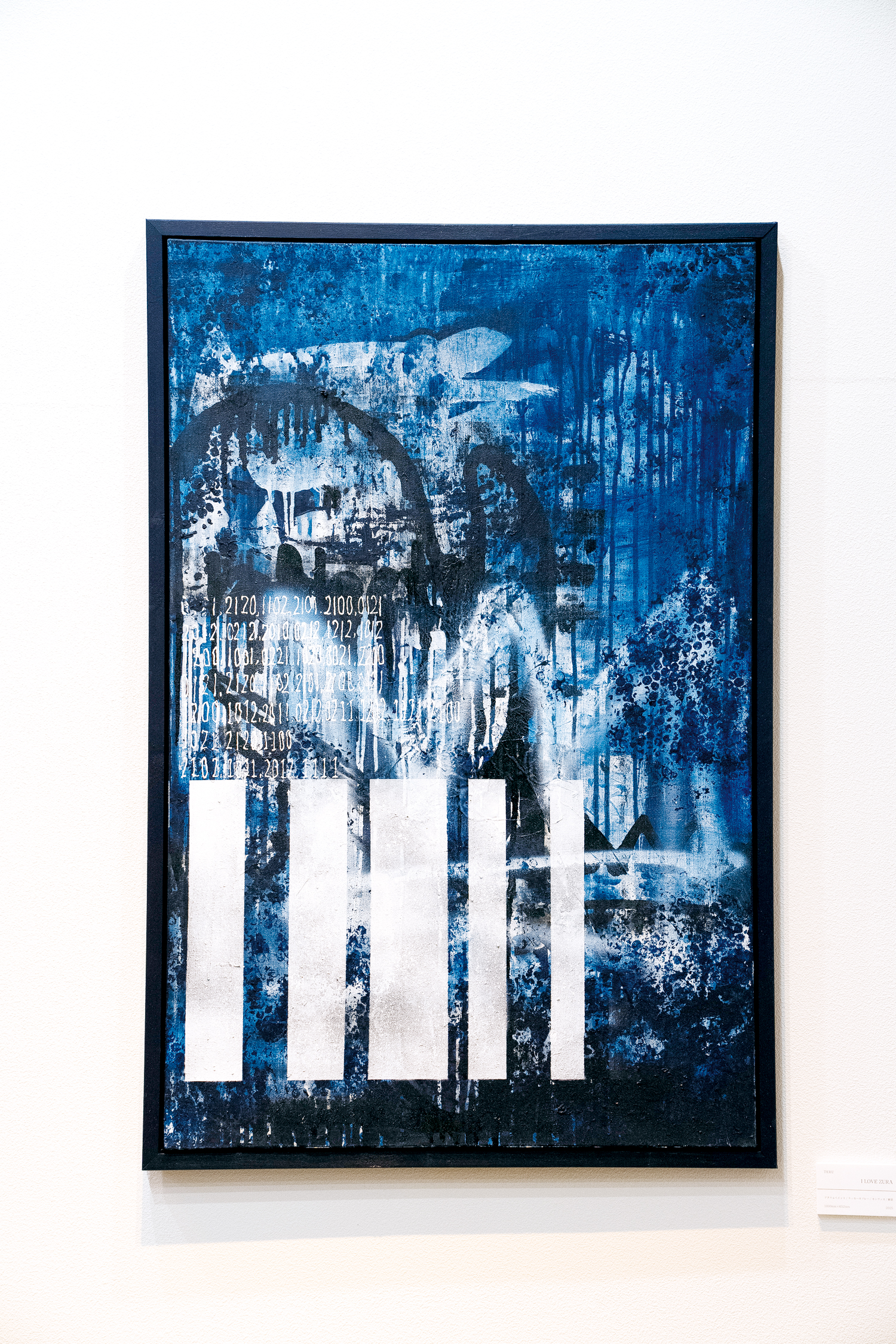
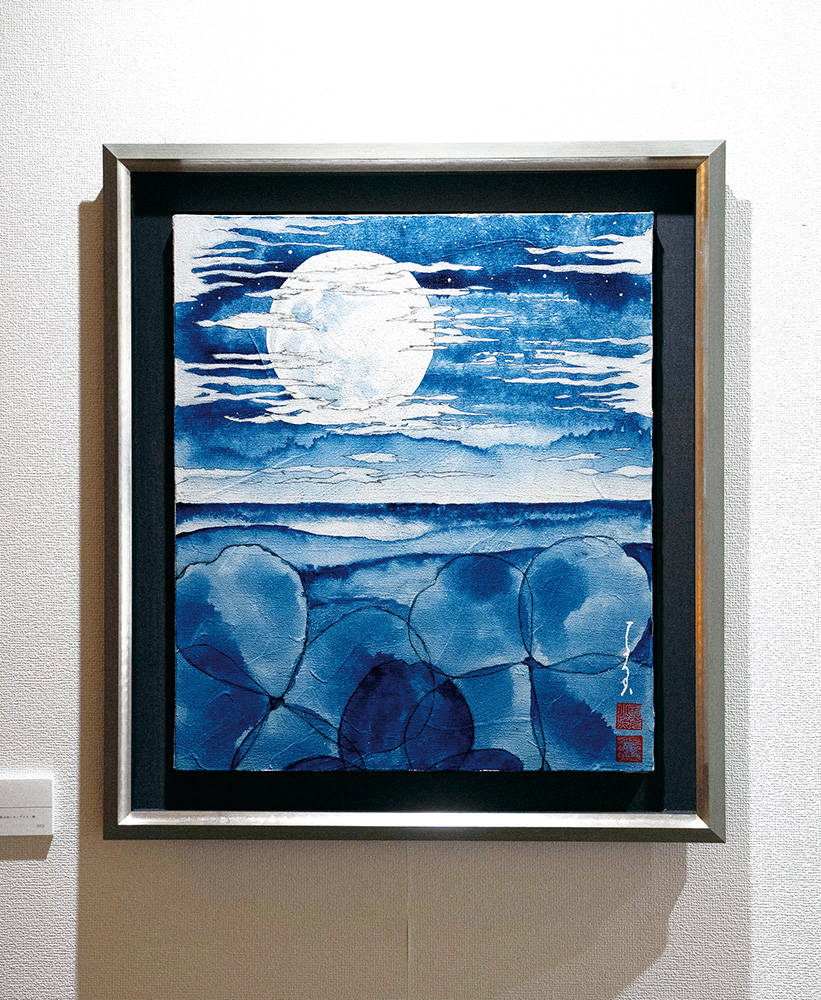

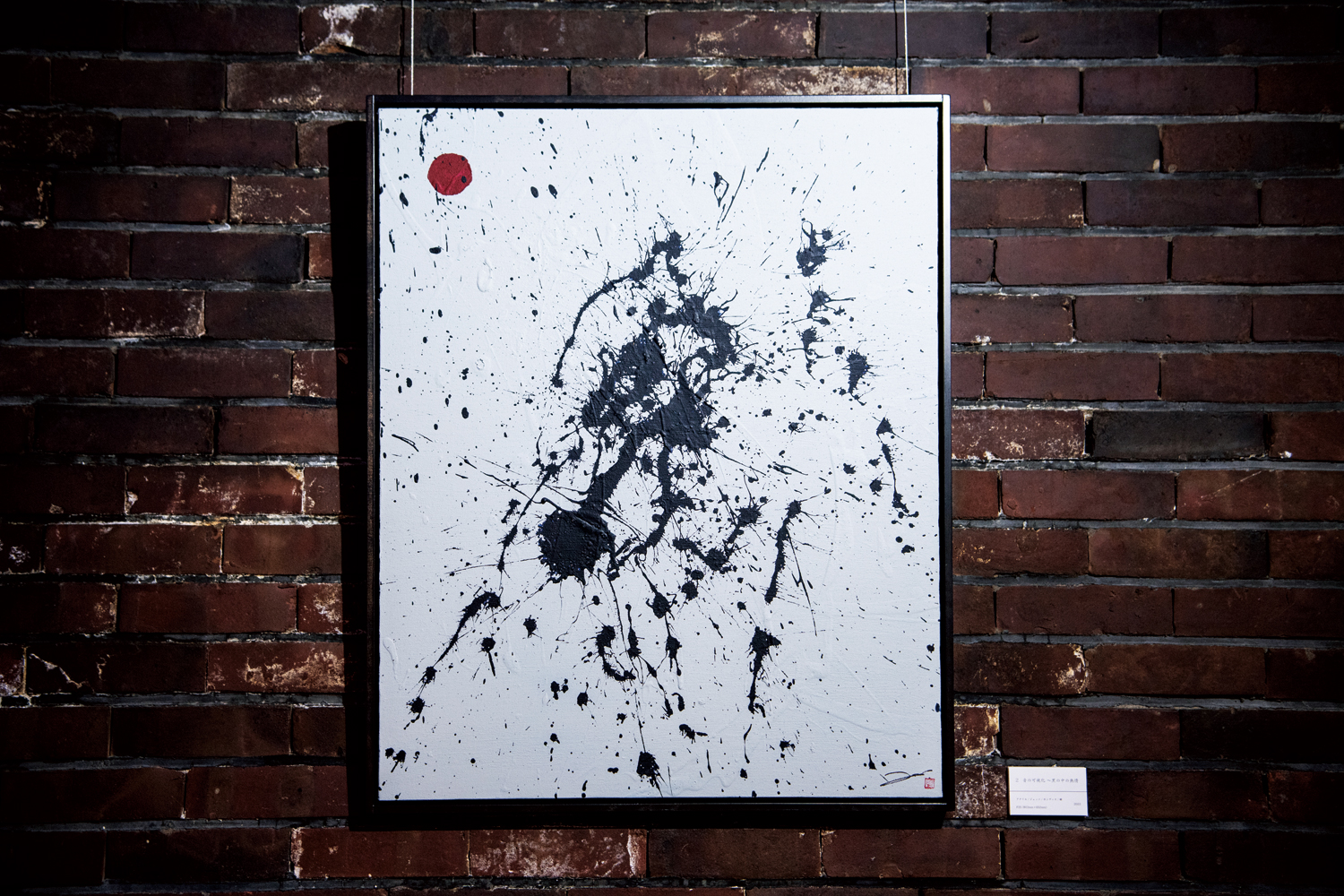
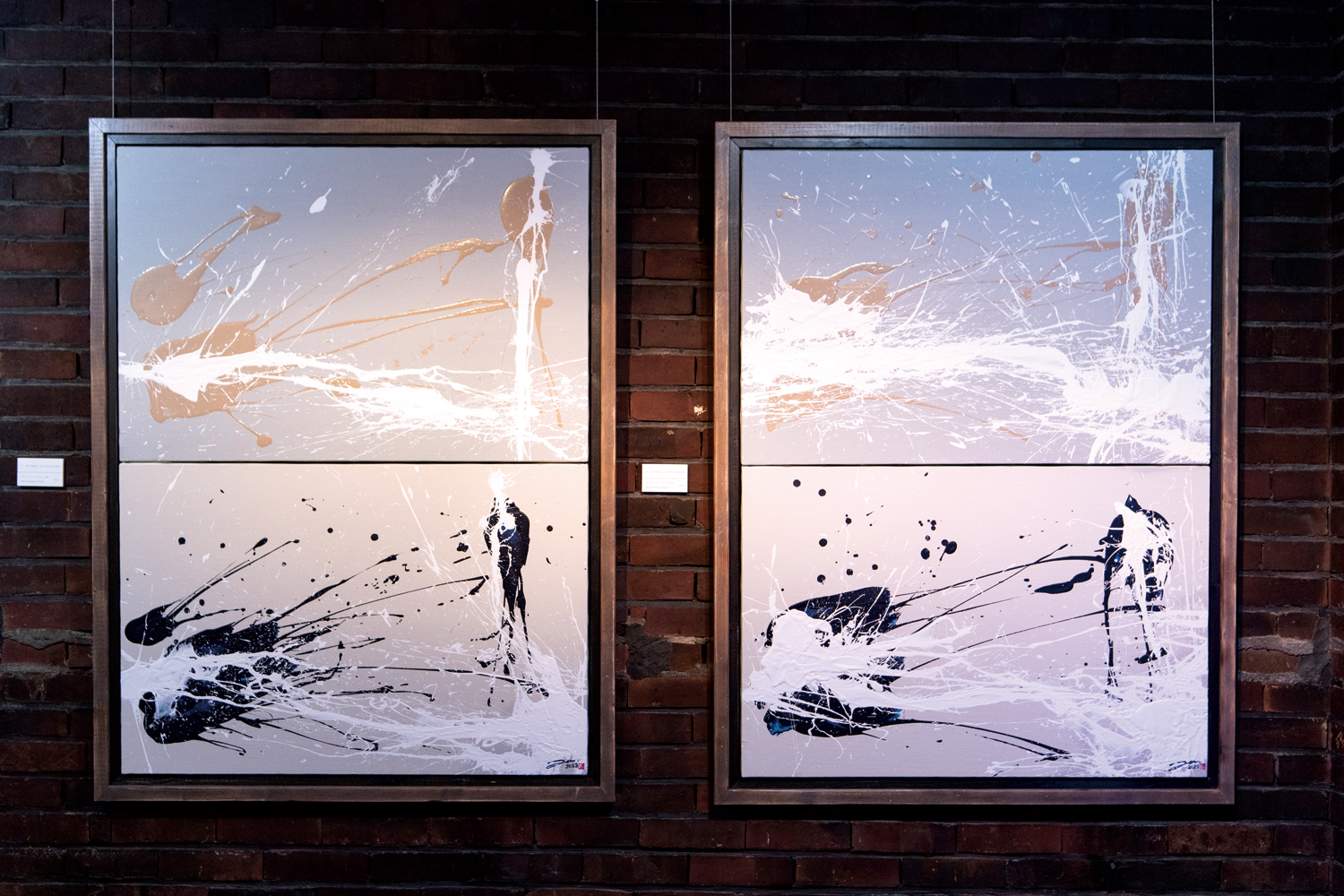
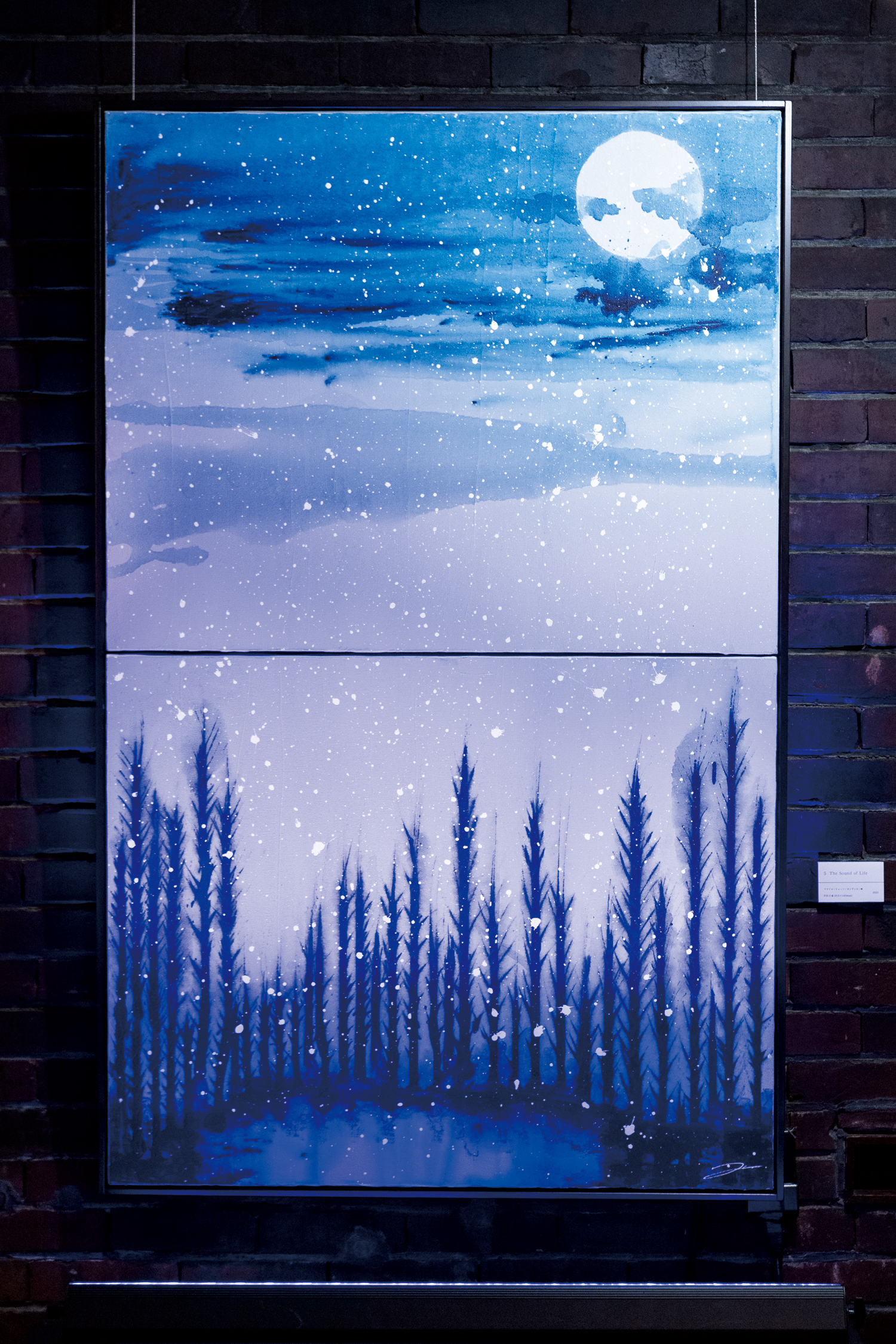
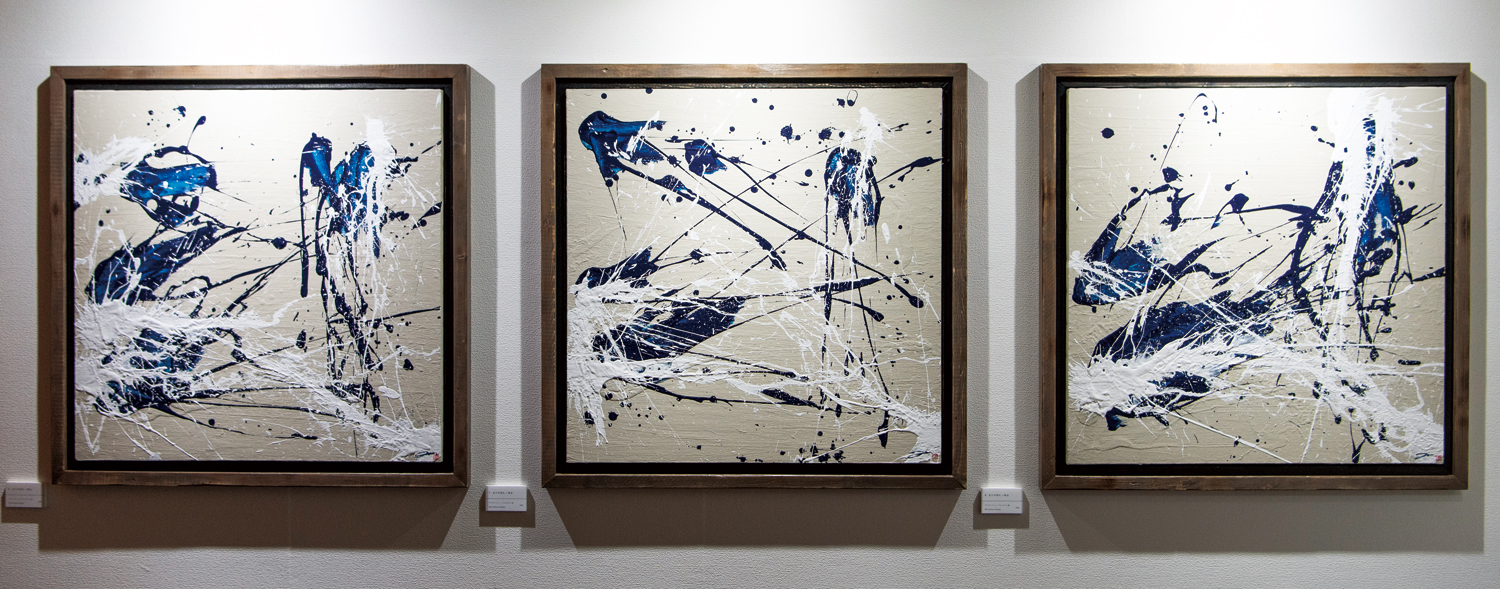
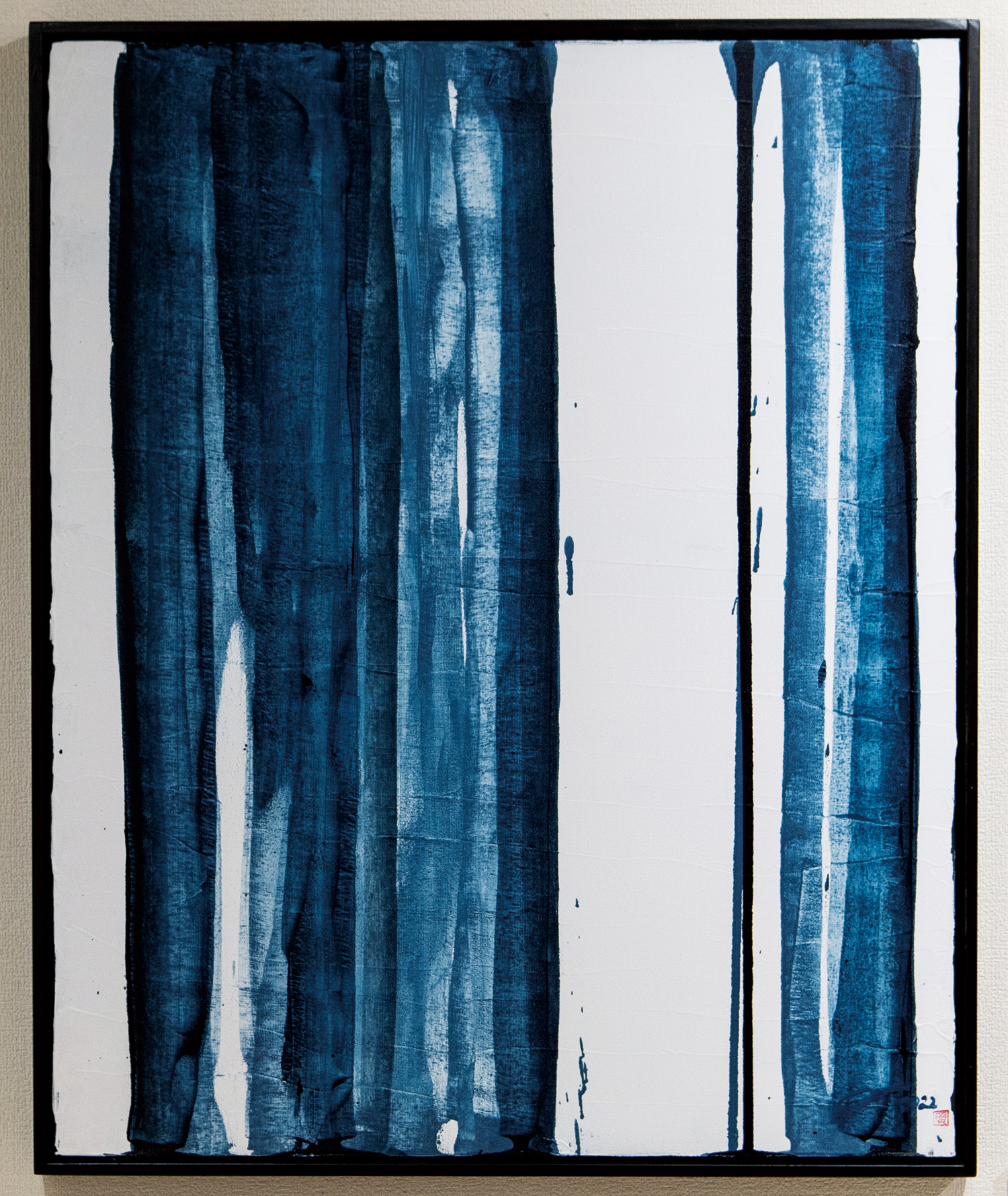

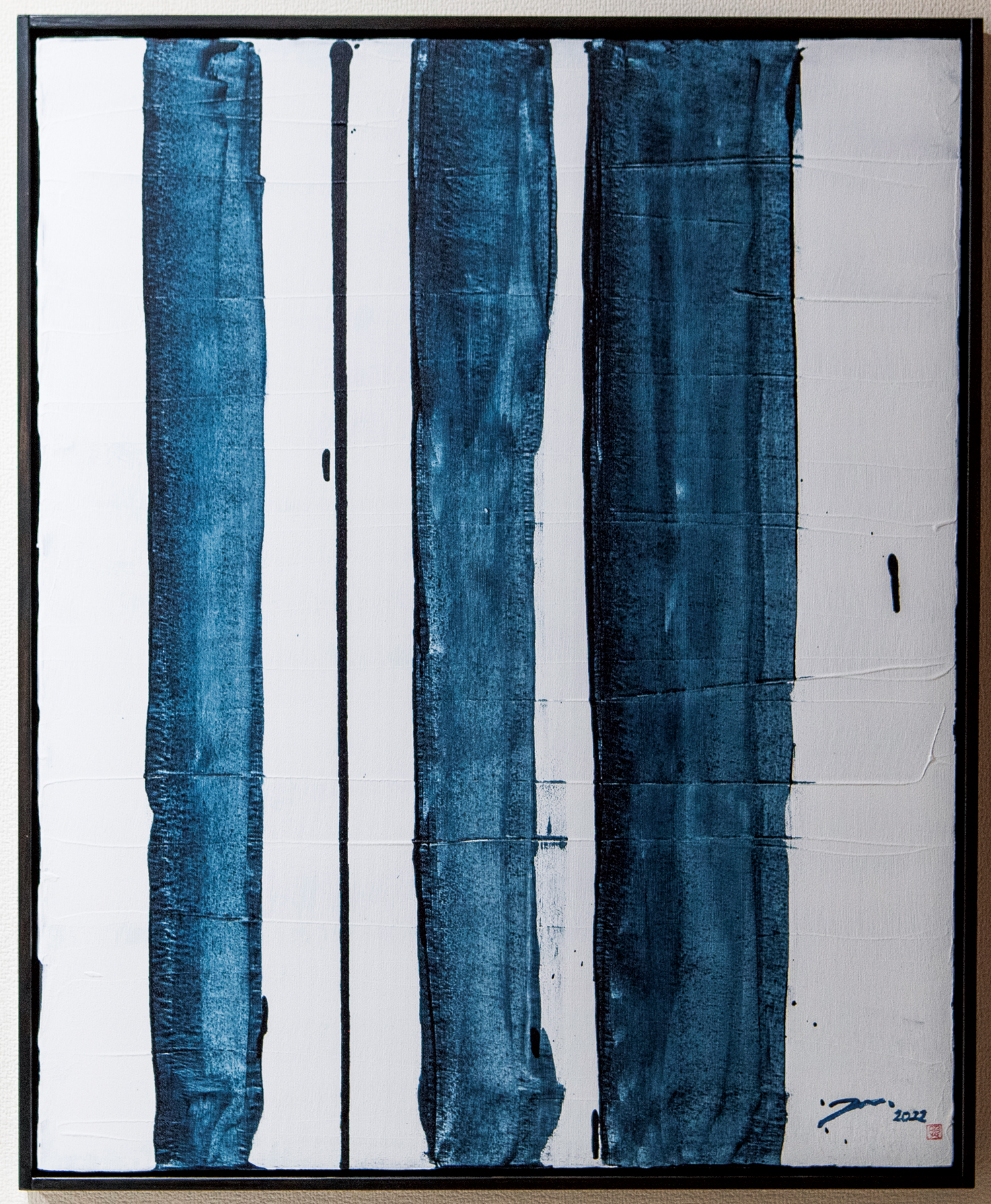
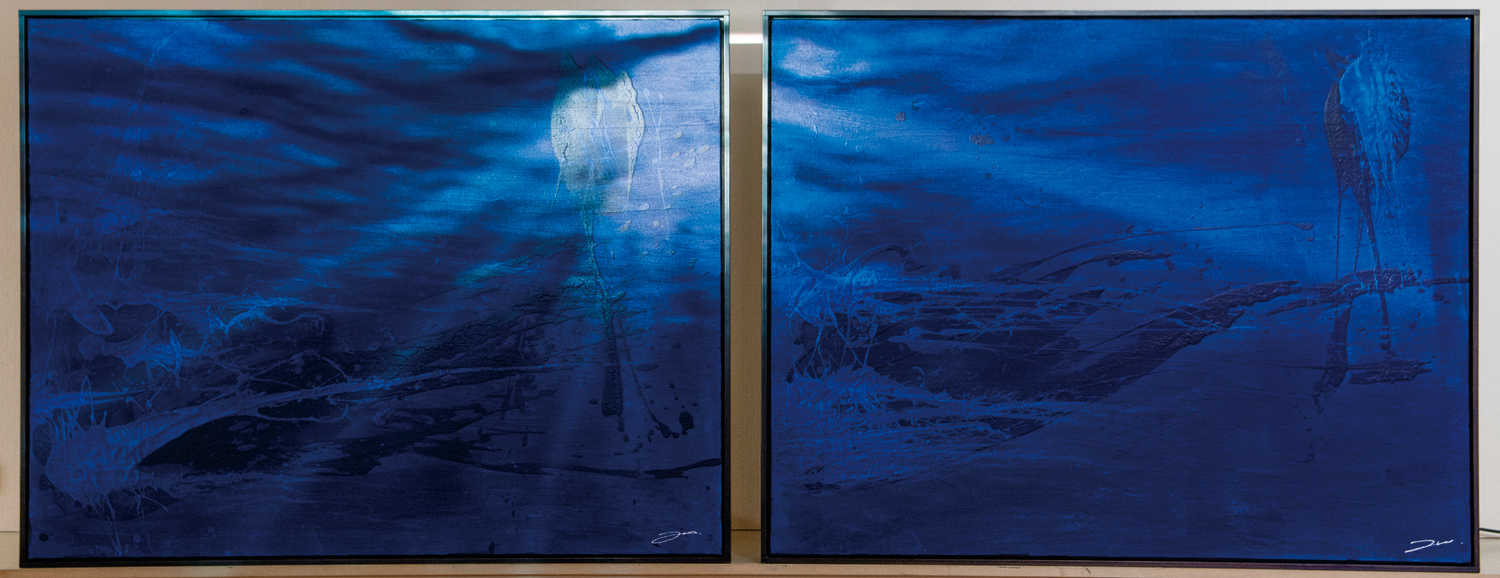
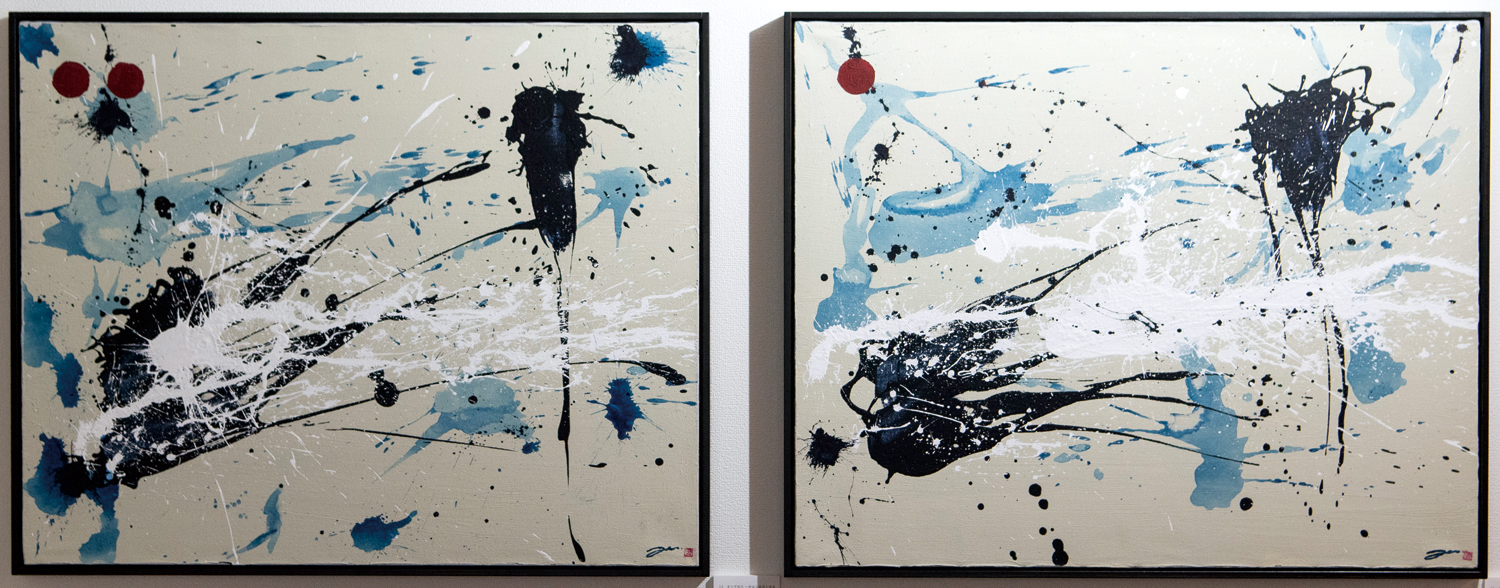


変わりゆく気候から始まる物語
私が生まれ育った函館市、そして10年ほど前から葡萄の収穫を
手伝わせていただいている農楽蔵の畑がある北斗市では、
近年ワイナリーや野菜を自然栽培する農家が増えています。
それは単なる産業の動きではなく、気候や土壌が時間の経過とともに変化し、
これまで育てることのできなかった野菜や果物が育つ環境へと
移り変わってきたことを示す現象でもあります。
2025年10月末の肌寒い日、nonomamaの畑を訪れた私は、
真っ黒に変色したピーマンに出会いました。
三年前、荒れた雑木林を開拓し、土壌そのものが持つ自然の循環や生態系を
尊重しながら、農薬や化学肥料を使わない自然栽培を始めた
ご夫婦・nonomamaは、そうした気候や土壌の変化を受け止め、
野菜を育てる場所として北斗市を選びました。
北斗市の土壌は、近くにある駒ヶ岳火山の影響を受けた火山灰土壌です。
火山灰土壌は植物の分解物が蓄積しやすく、腐植(有機物)が豊富で
微生物が多いという特徴があります。
また、通気性や排水性に優れながら保水力も高く、
野菜や果樹の栽培に適し、植物の根が張りやすい土壌でもあります。
ご夫婦は、この土壌で自然栽培ならではの生命力を持つ野菜を育てながら、
この場所で人も野菜もともに育ち、年月を重ねていきたい――
そんな思いで栽培を続けているといいます。
黒という応答
私が出会った黒いピーマンも、そうした自然栽培で育った野菜の一つです。
この黒いピーマンは、もともと埼玉県にある、
固定種や在来種の野菜の種や苗を販売している種苗会社から種を購入し、
開拓した土地に植えたことから始まりました。
自然栽培では、気候や環境が直接作物に影響を及ぼします。
ときに強い紫外線などの刺激から身を守るために
アントシアニンの発現が促され、野菜は黒や濃い紫の色をまといます。
その年、函館では史上初めて35度を超える猛暑が記録されました。
近年では暑い日が9月末まで続き、紅葉の季節は極端に短くなっています。
そして突然の冷え込みによって、激しい寒暖差が生じるようになりました。
そうした気候が、この黒いピーマンを生んだのです。
ご夫婦は、真っ黒に変色したピーマンの黒は『枯れ』ではなく、
数日後には赤く熟すのだと言います。
私はその成長過程の中で、
ピーマンが黒く変色する瞬間に立ち会えたことになります。
もしこの黒く変色する時期に出会わなければ、
私はピーマンにここまで心を奪われ探究することはなかったでしょう。
絵画へ
nonomamaで育てる野菜は、食べ頃が完成ではありません。
種を採るために、食用の最盛期を過ぎ、
大地(畑)に還元される直前の姿にまで成熟させるものもあります。
彼らは、土壌を畑として整え、
これまで寒冷地では育てにくかった野菜を育て、そこから種を採り、
そしてまたその種を次の季節に植えていきます。
種は遺伝子レベルでその土地の気候や環境を記憶し、
時間の経過とともにその記憶を更新していきます。
私はその種に、計り知れない生命の力を感じました。
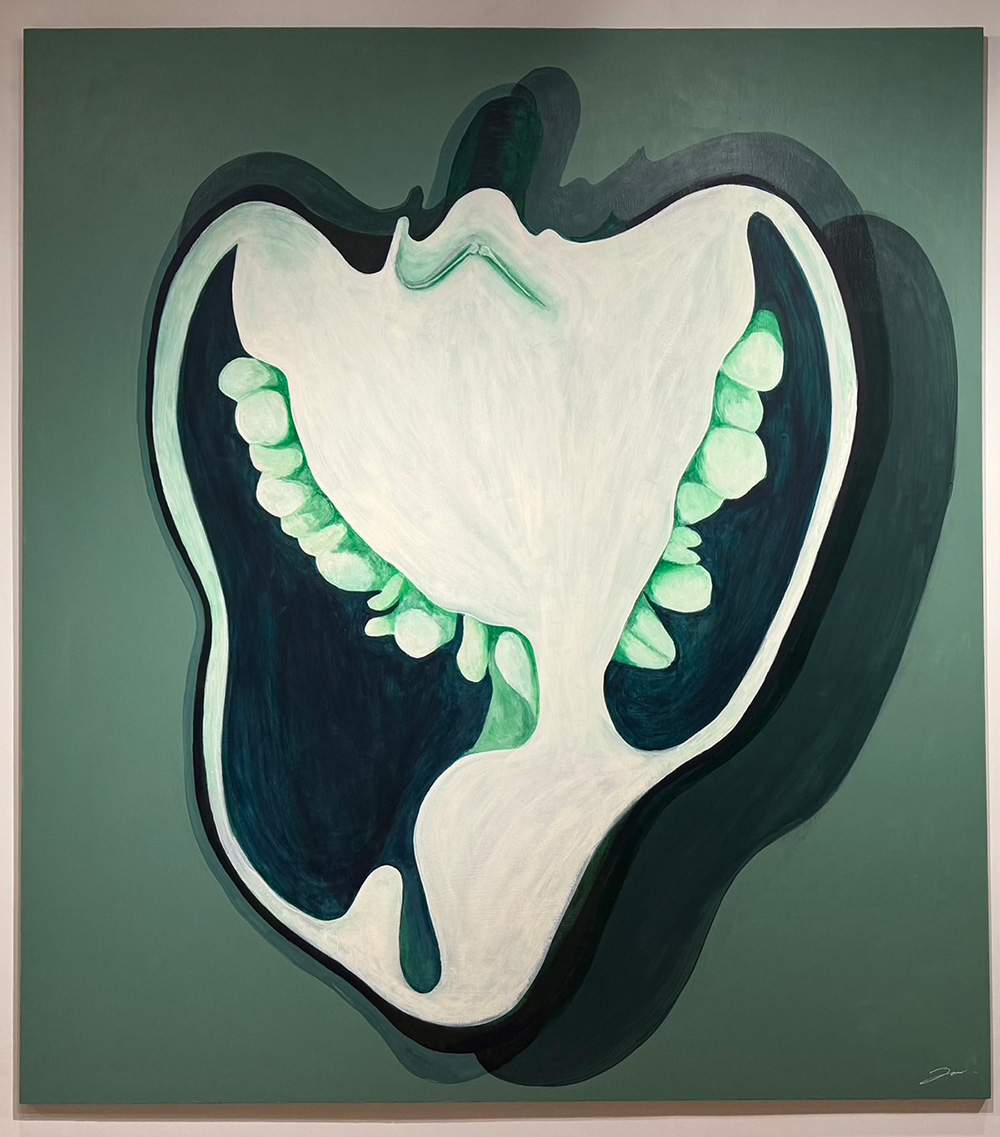
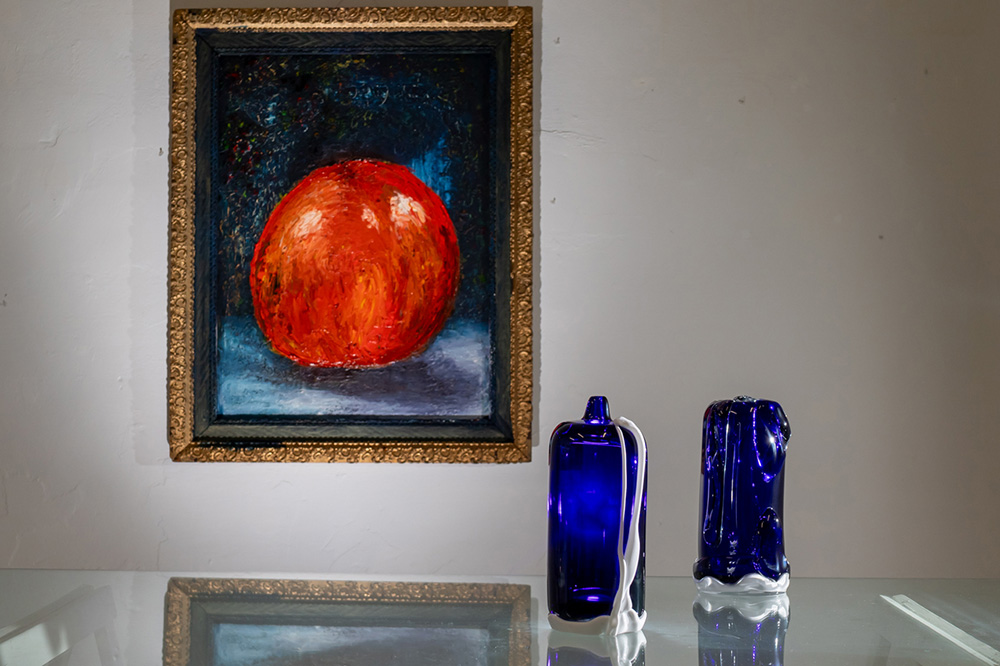
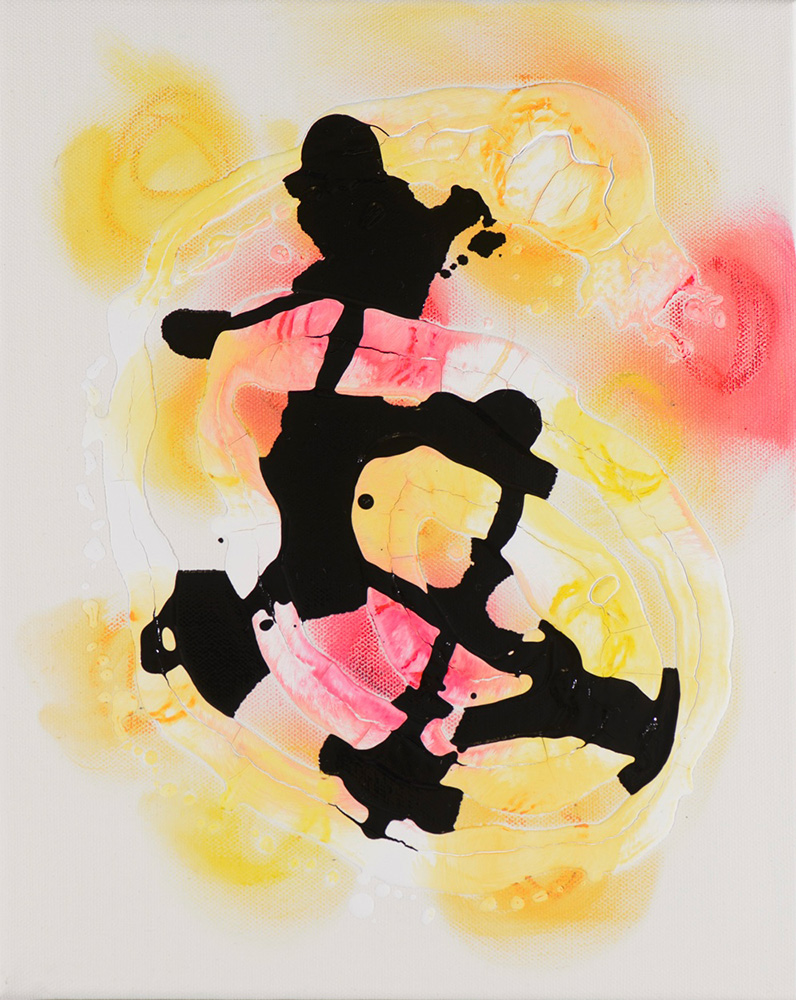
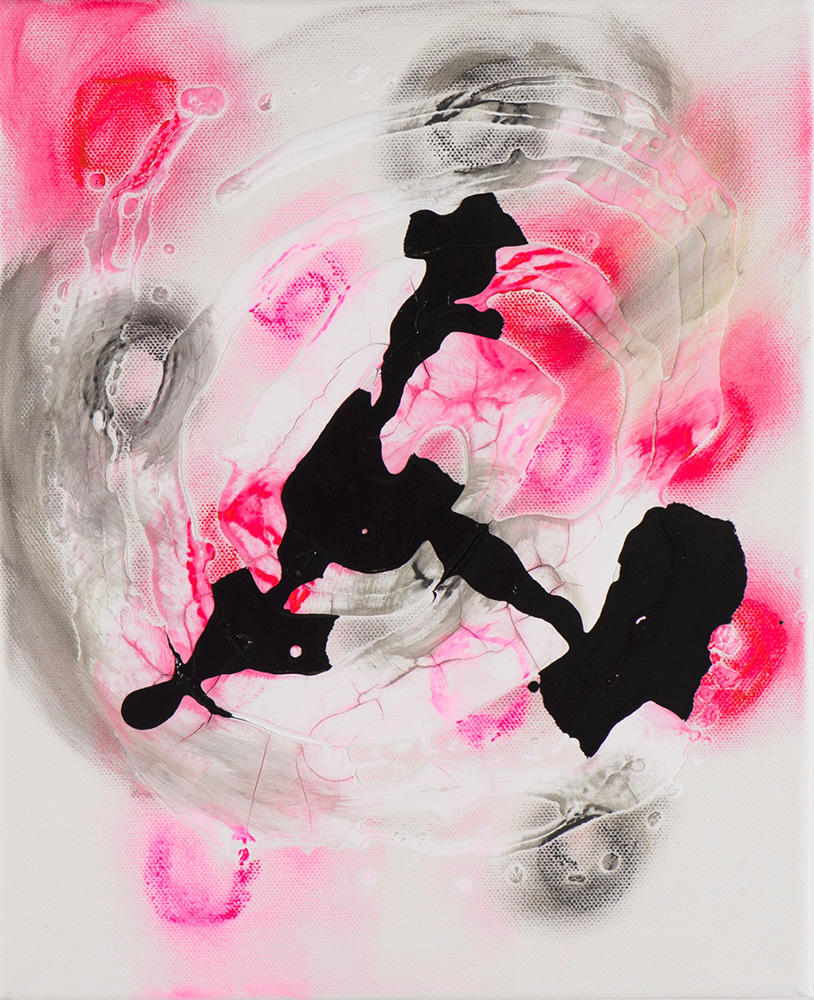
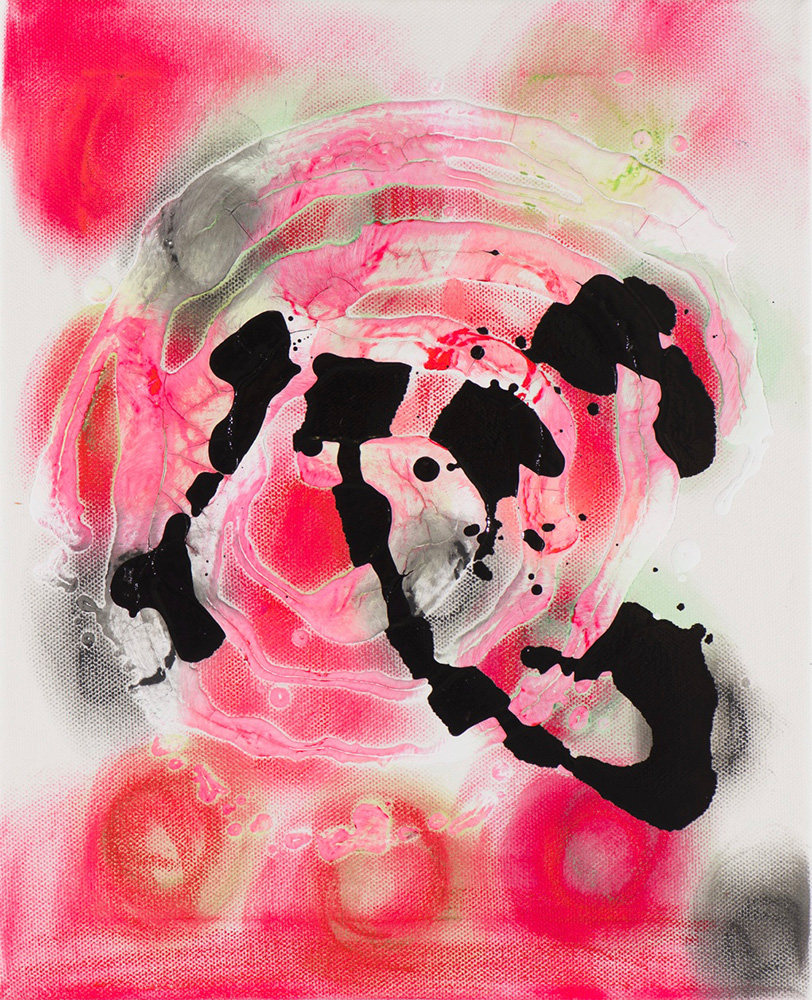
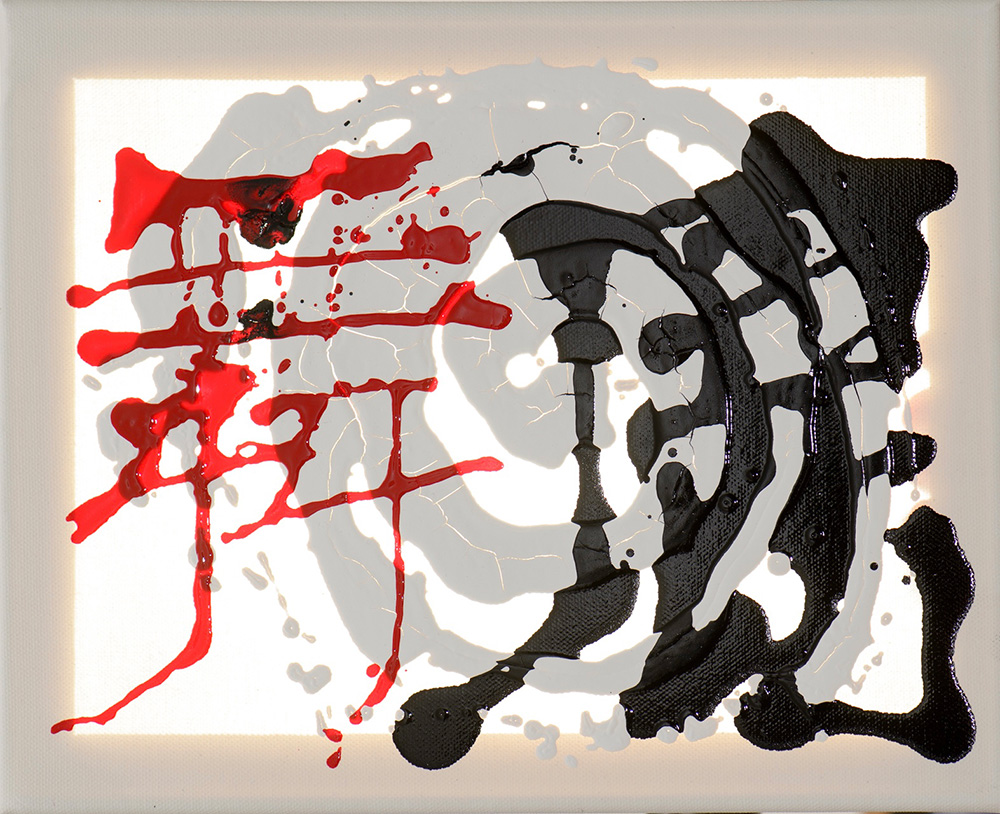
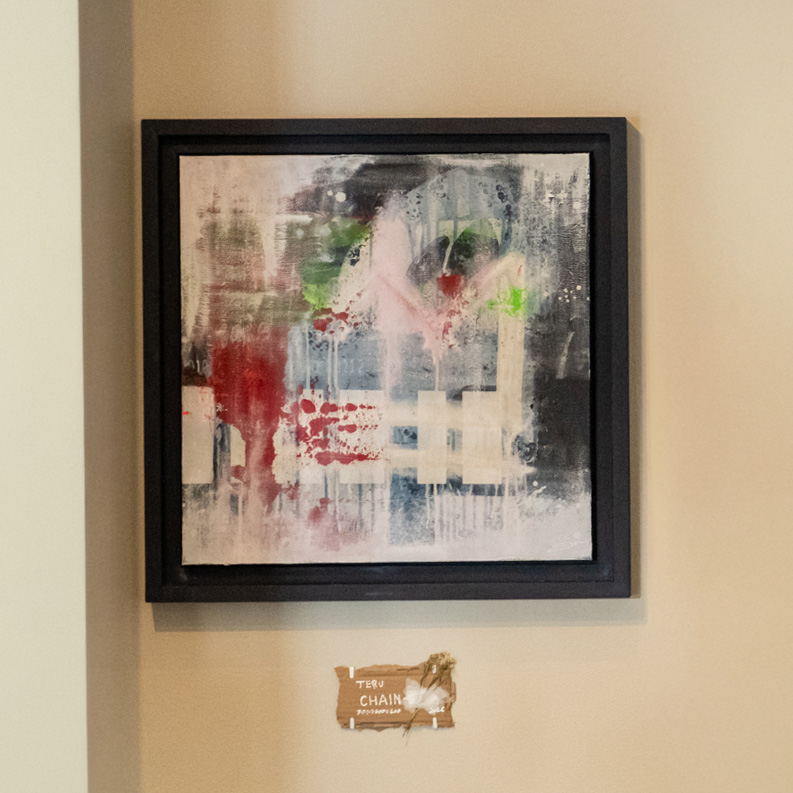
種を育む白い台座と、それを包み込み守る母体のようなピーマンの果実。
私は時間の流れの中の一瞬を捉えると同時に、
植物や野菜が内包する生命の循環そのものを
描き出したいと考えるようになったのです。
そして新たな記憶が刻まれたピーマンの種は、
生命の循環の中で北斗市の土壌に根づき、成長し、
やがて種を残して再び土へと還り更に記憶を重ねていきます。
同時にそれは、長く続いていくであろう自然栽培農家の挑戦や、
未来に託された希望を描くことでもあると、私は確信しています。
何十年後かには、さらなる気候の変化によって、
黒く変色するピーマンが存在しなくなっているかもしれません。
環境が変わっていくことには抗えない時代ではありますが、
それは決してネガティブなことばかりではありません。
人も野菜も、今ある環境を受け入れながら、
新たな持続可能な時代をつくることができると私は思っています。
— TERU
Paint the HAKODATE Black Bell Pepper
~Memories of Climate and Soil~
A story that begins with a changing climate
In Hakodate, where I was born and raised, and Hokuto,
home to Norakuzo where I have been helping with grape harvests
for the past ten years,
the number of wineries and organic vegetable farms
has been increasing in recent years.
This is not simply an industrial trend.
It also reflects the climate and soil changing over time,
creating an environment in which vegetables and fruits
that once could not be grown
are now able to thrive.
On a chilly day in late October 2025,
I visited nonomama's farm
and came across a bell pepper
that had turned completely black.
Three years ago, the married couple who run nonomama
cleared a barren scrubland
and began natural cultivation without pesticides
or chemical fertilizers,
respecting the soil's natural cycles and ecosystems.
Embracing these changes in climate and soil,
they chose Hokuto
as the place to grow their vegetables.
Hokuto's soil is volcanic ash soil
influenced by the nearby Komagatake volcano.
Volcanic ash soil tends to accumulate decomposed plant matter,
is rich in humus (organic matter),
and contains abundant microorganisms.
It also has excellent breathability, drainage, and water retention,
making it ideal for growing vegetables and fruit trees.
The soil structure also allows
plant roots to spread easily.
The couple continues cultivating vegetables in this soil,
nurturing the vitality
unique to natural cultivation.
They say they hope this place will be somewhere
where both people and vegetables
can grow together over many years.
The Black Response
The black bell pepper I encountered is one such vegetable
grown through natural cultivation.
Its seeds were originally purchased
from a seed company in Saitama Prefecture
that sells fixed and heirloom vegetable seeds and seedlings.
They were then planted on newly reclaimed land.
In natural cultivation,climate and environment
directly affect crops.
To protect themselves from strong ultraviolet rays
and other stresses,
vegetables sometimes stimulate the production
of anthocyanins,
resulting in black or deep purple coloration.
That year, Hakodate recorded
its first-ever heatwave exceeding 35°C.
In recent years, hot days have continued
until the end of September,
dramatically shortening the autumn foliage season.
Sudden drops in temperature have also created
extreme temperature fluctuations.
These climatic conditions gave birth to the black peppers.
The couple explains that the black color
does not mean the peppers are “withering.”
Within a few days, they will ripen into red.
I was able to witness the moment
the peppers turned black during their growth process.
If I had not encountered this brief moment of transformation,
I doubt I would have become so fascinated with peppers
and explored them further.
To Painting
The vegetables grown at nonomama are not considered complete
when they are ready to eat.
To collect seeds, some vegetables are allowed to mature
beyond their peak edible stage, just before being returned to the earth.
They prepare the soil,
grow vegetables that were once difficult
to cultivate in cold regions,
harvest seeds from them, and plant those seeds again
in the following season.
Seeds remember the climate and environment of the land
at a genetic level,
updating that memory over time.
I felt an immeasurable life force in those seeds.
The white base nurturing the seeds and the bell pepper fruit itself
felt like a mother body that protects and embraces them.
At that moment, I began to want to capture
not only a moment in time,
but also the cycle of life contained within plants and vegetables.
The seeds of the bell pepper, carrying new memories,
take root in the soil of Hokuto City, grow,
and eventually return to the earth while leaving behind new seeds.
In this cycle, memories continue to accumulate.
At the same time, I believe this also portrays
the ongoing challenges of natural farming
and the hopes entrusted to the future.
In a few decades, further climate change may mean
that blackened bell peppers no longer exist.
We live in an age where environmental change
is unavoidable.
However, that does not mean everything is negative.
I believe that both people and vegetables can accept
the environment they live in
and create a new, sustainable era together.
— TERU